
Configuration Options
- Active and unheated lengths by tooling drawing
- Body dimensions and bore fit reviewed for the operating temperature
- Lead exit, insulation and termination matched to the installation
Specialty Heaters
A high density cartridge heater delivers electrical power over a small active sheath area in a tool bore. Review the bore tolerance, heated length and required power together. The achievable loading depends on how well the installed heater transfers heat into the tooling.
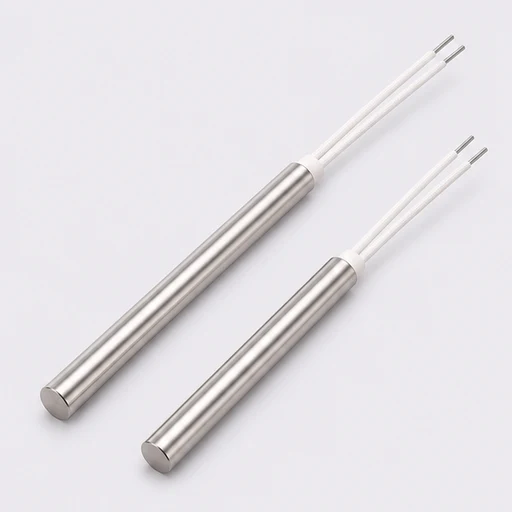
Configuration
The final construction depends on your drawing and operating conditions.
Specify the power and active sheath area together. Include the actual tool bore and operating conditions so the load and fit can be reviewed at temperature.
| Design check | What to provide |
|---|---|
| Surface watt density | Give watts per heater, sheath diameter and active heated length. Identify the unheated ends on the drawing. |
| Bore fit and thermal contact | Provide the bore diameter and tolerance, usable depth, finish and material. For a replacement, include any wear, deposits or damage. |
| Active zone and control | Locate the heated span and temperature sensor within the tool. Include the required warm-up time, operating temperature and duty cycle. |
| Lead end and service access | Mark the lead exit direction, clearance at the bore opening, maximum temperature near the leads and the path for removing the heater. |
Applications include injection molds, extrusion dies and sealing jaws that need heat within a defined bore and heating zone.
Product catalog
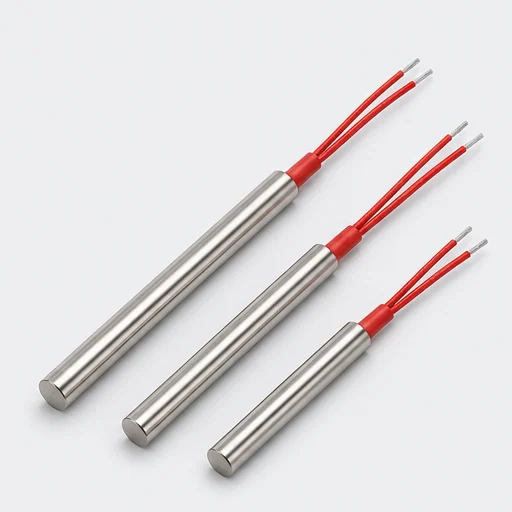
Specialty Heaters
Compact cylindrical heaters for dies, molds, sealing jaws and other heated tooling.
View product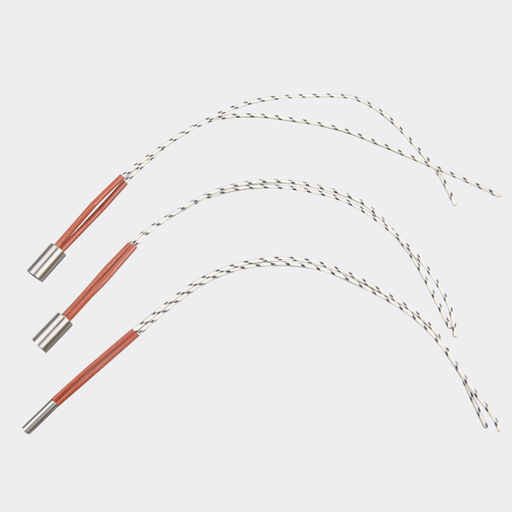
Specialty Heaters
Small-diameter cartridge heaters matched to compact bores and limited lead clearance.
View product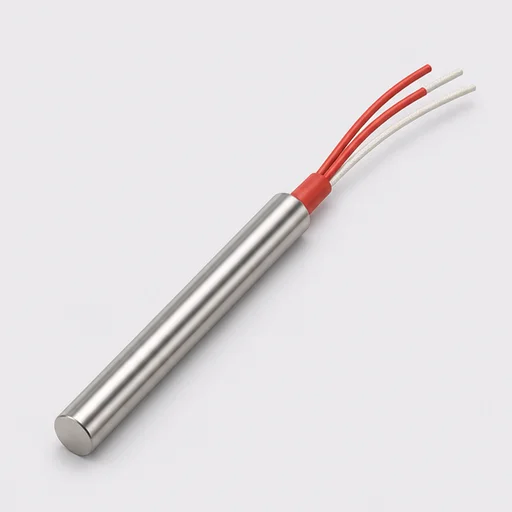
Specialty Heaters
Cylindrical heaters with a built-in thermocouple specified for local temperature measurement.
View productInclude your technical requirements, target quantity and any supporting drawings.