
Configuration Options
- Straight, U-shaped and multi-bend forms
- Single-ended and double-ended layouts
- Sheath and terminal choices by application
- Mounting brackets, fittings and flanges
Tubular & Immersion
Custom tubular heating elements are specified by tube shape, sheath, electrical load and mounting. Share your drawing or available envelope, along with the heating medium, for a straight, U-shaped or multi-bend OEM tubular heater.
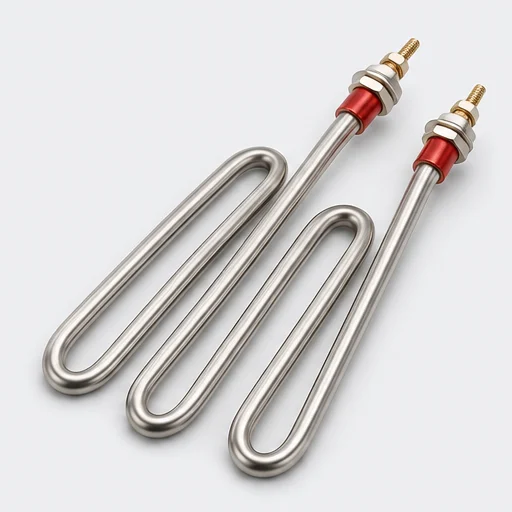
Configuration
The final construction depends on your drawing and operating conditions.
A drawing for a custom tubular heater should locate the active heated span, the cold ends and each terminal. For a formed element, give the bend centerline radii, leg spacing and mounting clearances.
| Form or termination | When to consider it | Show on the drawing |
|---|---|---|
| Straight | An unobstructed run through a duct, housing or heating assembly. | Overall length, sheath diameter, support positions and heated span. |
| U-shaped | Two parallel legs fit the available opening and bring both terminal ends to the same side. | Leg lengths and spacing, bend centerline radius and the terminal projection. |
| Multi-bend | The tube follows the equipment envelope or keeps clear of internal parts. | Centerline profile, radius at each bend and clearance to each obstruction. |
| Single-ended | Both electrical connections leave one tube end. | Terminal arrangement, unheated lead end and clearance for the wiring. |
| Double-ended | Electrical connections leave opposite tube ends. A U shape can bring those ends to one side of the equipment. | Terminal arrangement and cold-end length at each tube end. |
| Industrial oven elements | An oven or dryer needs a shaped element for a defined heating zone and air path. | Mounting hole spacing, support points, airflow or radiant exposure, and wattage per zone. |
| Sauna heating elements | A formed element fits the heating compartment of an electric sauna stove. | Tube profile, support spacing, terminal location and electrical rating per element. |
Tubular elements are considered for heated equipment including ovens, process air systems, tanks and defrost assemblies. The sheath and watt density need to suit the medium and conditions.
Product catalog
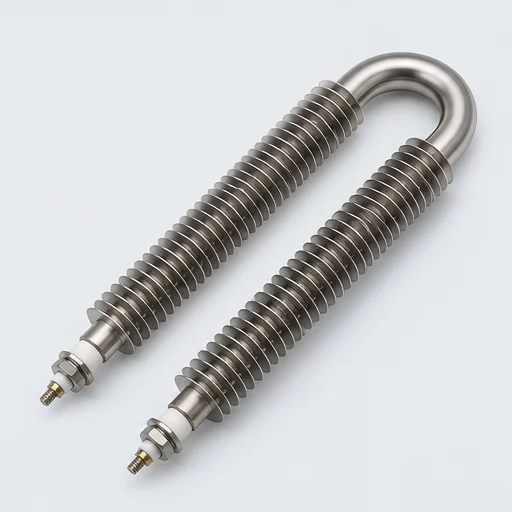
Tubular & Immersion
Finned tubular elements for forced-air heating, duct assemblies and industrial ovens.
View product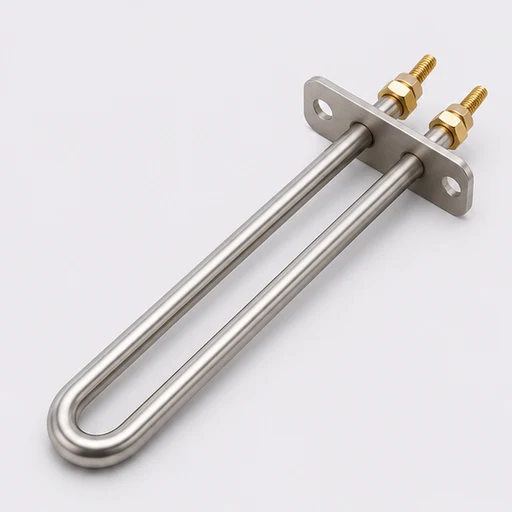
Tubular & Immersion
Straight and formed tubular heating elements made to drawing for industrial ovens, dryers and heated chambers.
View product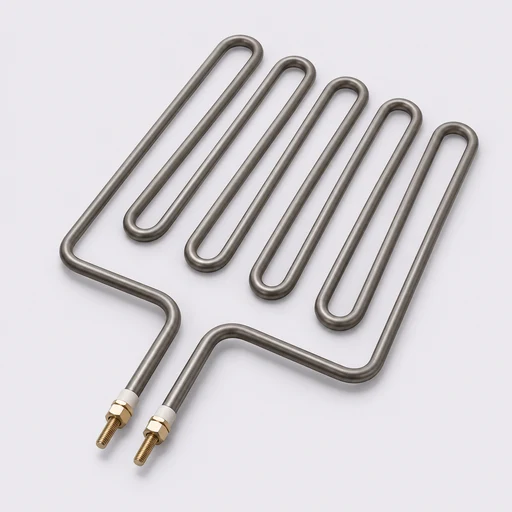
Tubular & Immersion
Formed tubular heating elements for electric sauna stoves, reviewed to your drawing or original part dimensions.
View product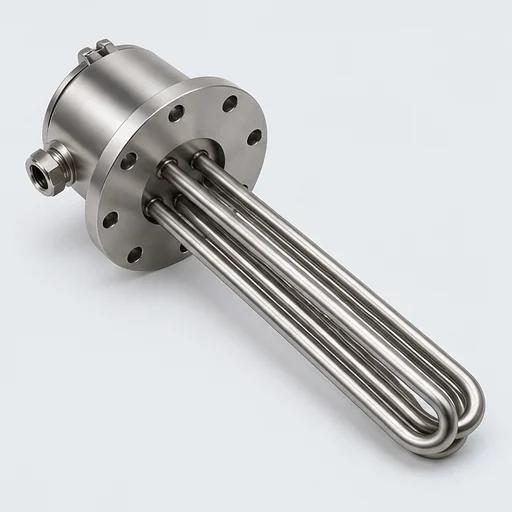
Tubular & Immersion
Configurable immersion assemblies for water, oil and other compatible process fluids.
View product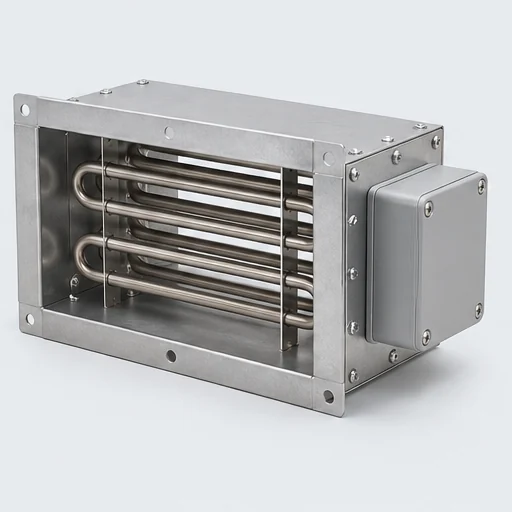
Tubular & Immersion
Element assemblies specified for duct geometry, airflow and process temperature.
View product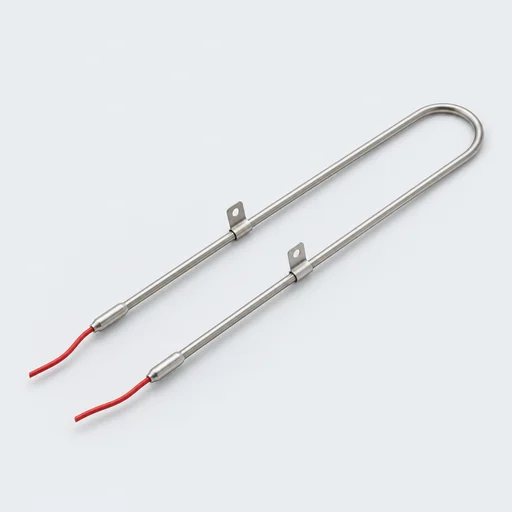
Tubular & Immersion
Shaped defrost elements for equipment with established mounting and terminal geometry.
View productInclude your technical requirements, target quantity and any supporting drawings.