
Configuration Options
- Flanged assemblies
- Screw plug assemblies
- Clamp-mounted assemblies by connection drawing
- Over-the-side mounting
- Tank and circulation system integration
Tubular & Immersion
Industrial immersion heaters transfer heat directly into water, oil or another compatible process fluid. Start with the fluid composition, target temperature and tank connection. Those inputs inform the sheath, surface watt density and mounting style.
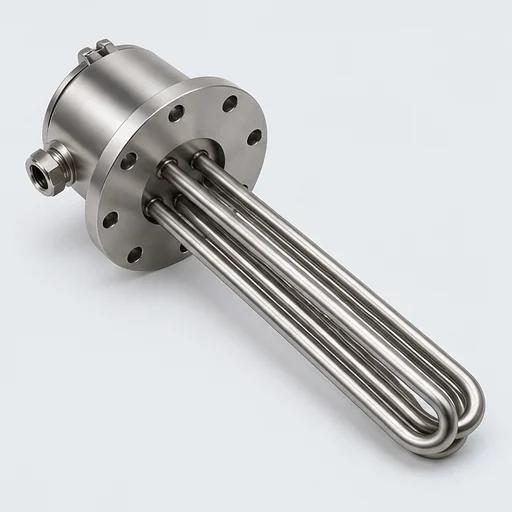
Configuration
The final construction depends on your drawing and operating conditions.
Share the liquid and operating conditions so the sheath and watt density can be reviewed. For tank service, show the lowest operating liquid level and the heated zone in the installed orientation.
| Liquid or service | Include in your inquiry | Selection check |
|---|---|---|
| Water | Working volume, starting and target temperatures, warm-up time and scale or deposits. | Check vessel heat losses, surface loading, sheath compatibility and the minimum level. |
| Commercial steam table wells | Well dimensions, mounting hole layout, minimum water level and original element rating. | Review the tube profile, seals, immersion of the active section and available terminal clearance. |
| Clamp-mounted tank connection | Mating ferrule drawing, clamp and gasket details, operating pressure and insertion depth. | Match the sealing geometry, confirm submergence and check withdrawal clearance. |
| Oil reservoirs and thermal fluid tanks | Oil grade, working temperature, available agitation or flow, viscosity data and fouling history. | Review the allowable film temperature and heating surface area with the oil supplier’s data. |
| Chemical tanks and process baths | Chemical composition and concentration, continuous and peak temperatures, agitation and cleaning solutions. | Review each wetted material against the process and cleaning cycle. Select the active surface area and mounting for the tank conditions. |
| Circulating liquid | Minimum and normal flow, inlet and target outlet temperatures, pressure and port sizes. | Verify heat removal across the flow range and the equipment’s temperature and flow protection. |
Typical projects include water tanks, oil reservoirs and process vessels where the elements can remain submerged during operation.
Product catalog
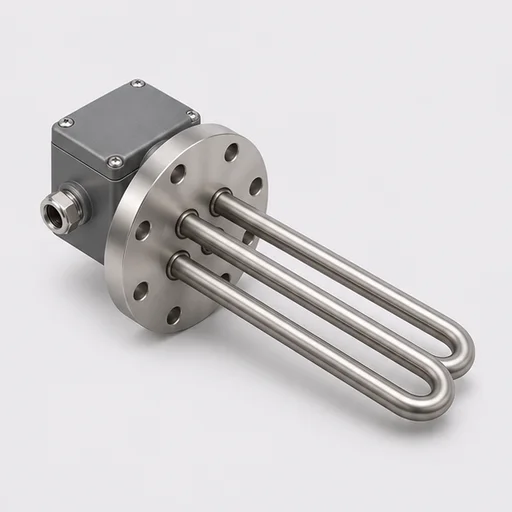
Tubular & Immersion
Made-to-spec immersion heaters for lubrication, hydraulic and heat-transfer oil reservoirs.
View product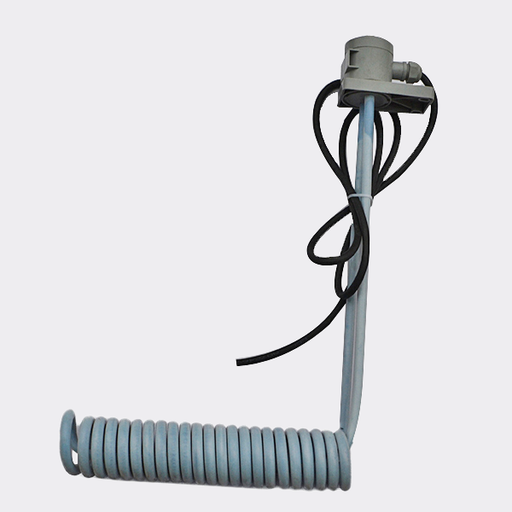
Tubular & Immersion
PTFE immersion heater configurations for compatible chemical baths and process tanks.
View productTubular & Immersion
Flange-mounted immersion assemblies for process vessels and tanks.
View product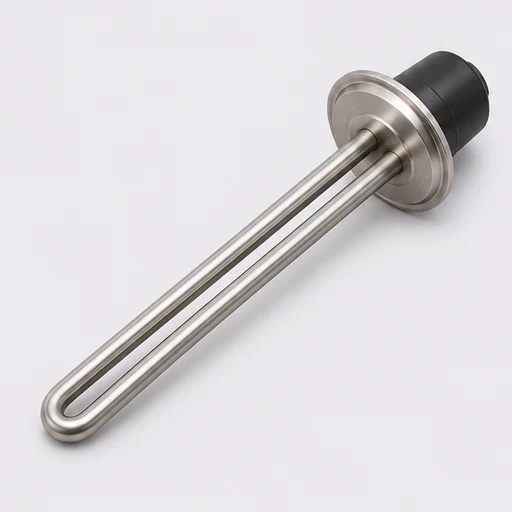
Tubular & Immersion
Clamp-mounted tubular immersion heaters built to suit the mating ferrule, vessel geometry and process conditions.
View product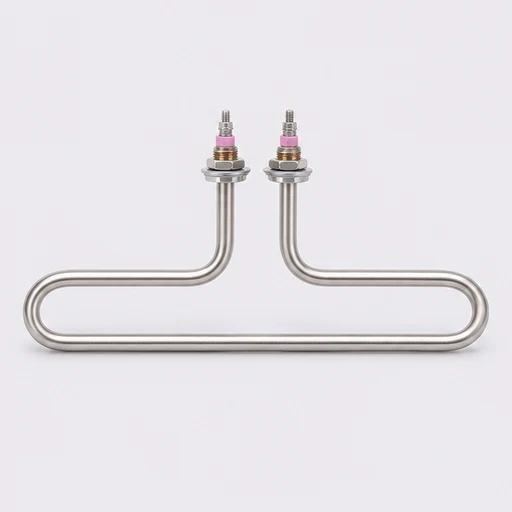
Tubular & Immersion
Formed immersion elements configured for commercial steam tables and food-warming wells.
View product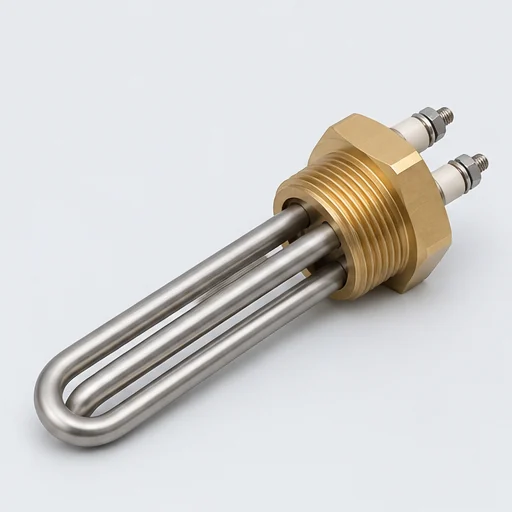
Tubular & Immersion
Threaded immersion assemblies sized around your port and fluid conditions.
View product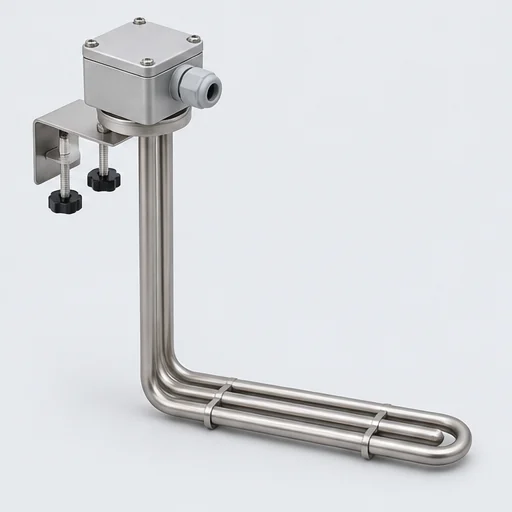
Tubular & Immersion
Top-entry immersion elements configured for open tanks and compatible process liquids.
View product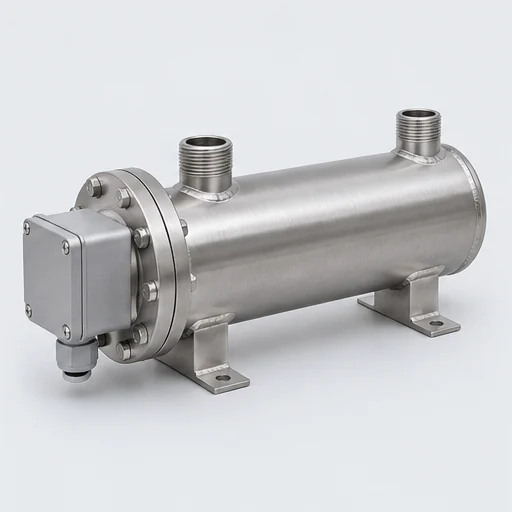
Tubular & Immersion
Flow-through process heating assemblies for specified flow and temperature rise.
View product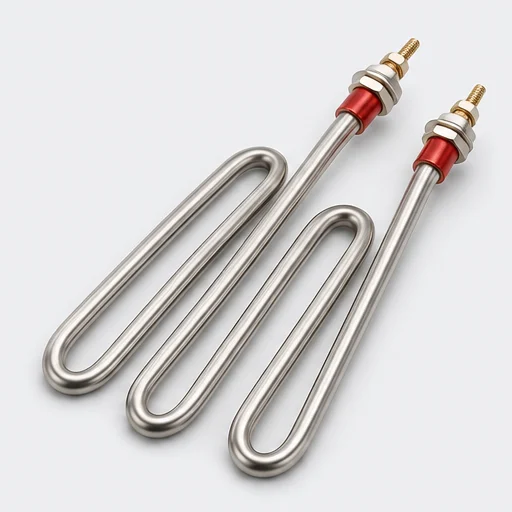
Tubular & Immersion
Straight and formed tubular heating elements configured for your geometry and operating conditions.
View productInclude your technical requirements, target quantity and any supporting drawings.