
Configuration Options
- Flat heating platen or curved band construction by drawing
- Machined mating surfaces, mounting holes and clearances by assembly
- Heated zones, terminals and sensor locations by layout
Specialty Heaters
A cast-in aluminum heater uses an element embedded in an aluminum casting to heat a shaped tool or surface. The casting outline, mating surface and electrical zones are reviewed together. Send both the casting and equipment drawings where available.
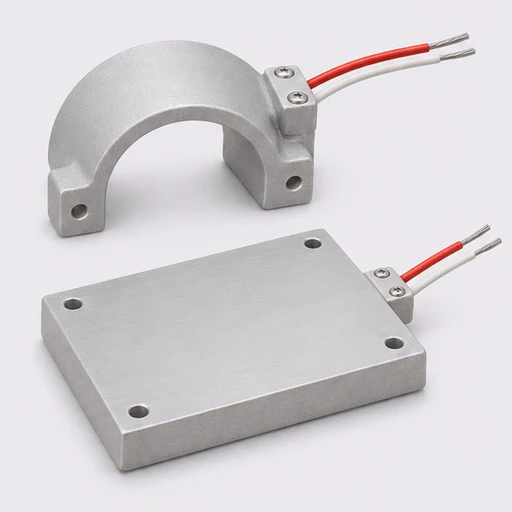
Configuration
The final construction depends on your drawing and operating conditions.
Use the same datums on the casting and assembled views. Mark which surfaces transfer heat and where mounting, machining and electrical connections limit the usable area.
| Configuration | What to include |
|---|---|
| Cast aluminum platen | Give the plate outline, thickness, contact-face dimensions, flatness and hole or slot positions. Mark machined areas and active zones. |
| Cast aluminum band | Give barrel diameter and profile, axial width, split or clamp locations and bolt access. Include radial space at the terminals. |
| Electrical zones and control | Locate each heating zone, its supply and wattage, sensor bore and terminal position. Share actual process temperatures and cycling. |
Common inquiry types include extrusion barrels, heated plates, tooling and machinery with a defined contact surface.
Product catalog
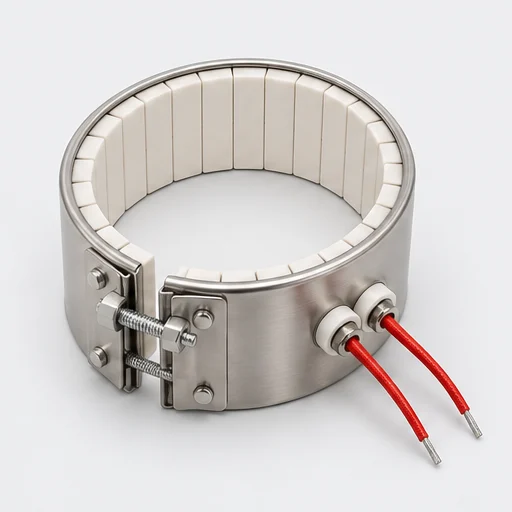
Specialty Heaters
Mica and ceramic band heaters for barrels, nozzles and cylindrical assemblies.
View product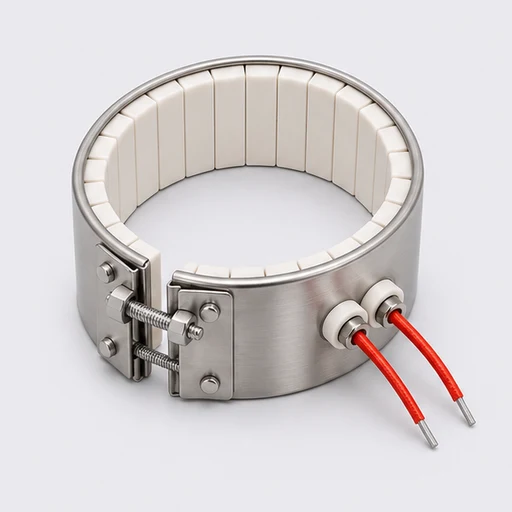
Specialty Heaters
Ceramic-insulated heater bands configured for injection molding and extrusion barrels.
View product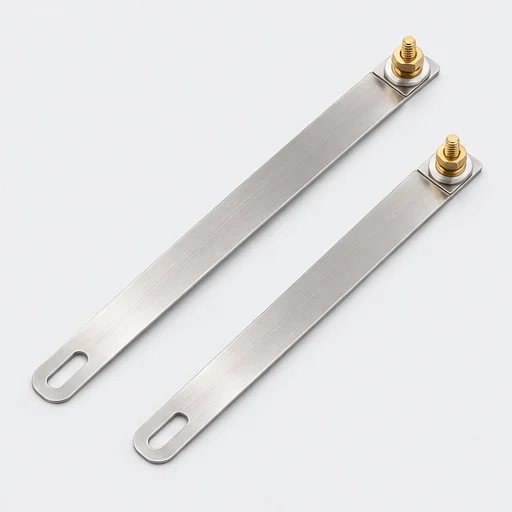
Specialty Heaters
Flat or finned heating strips for solid surfaces and air heating assemblies.
View productInclude your technical requirements, target quantity and any supporting drawings.