
Configuration Options
- Output grade and supply voltage by calculated heat loss
- Jacket and termination requirements by installation environment
- Circuit lengths, controls and accessories reviewed with the installation design
Specialty Heaters
A self-regulating heating cable uses a temperature-sensitive resistive core. As a section of cable gets warmer, it produces less heat at that location. For a quote, provide heat loss at the target maintenance temperature and the lowest startup temperature so output and circuit limits can be reviewed together.
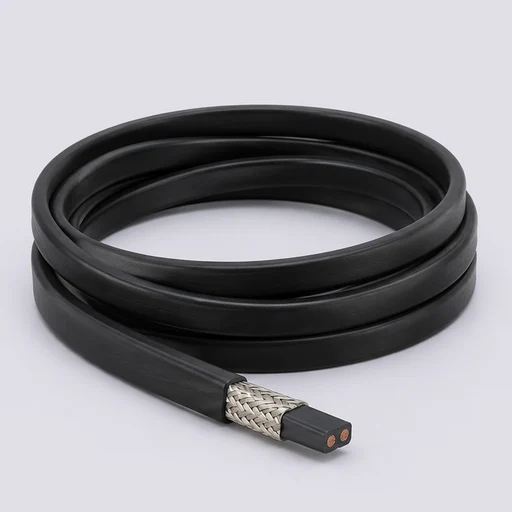
Configuration
The final construction depends on your drawing and operating conditions.
Send a line drawing with insulation details, the intended maintenance temperature and the location of each feed and termination.
| Sizing input | Include in your inquiry |
|---|---|
| Output at maintenance temperature | Give calculated heat loss per unit length, pipe size and material, insulation and target pipe temperature. Include fittings and other locations with extra heat loss. |
| Cold startup and circuit lengths | Provide the lowest startup temperature, supply voltage and length of each circuit. Specify the required protection and switching arrangement. |
| Exposure and termination | Give peak exposure during operation and cleaning, site conditions, specified approvals and the routing of leads and end terminations. |
Typical inquiries include freeze protection and temperature maintenance on insulated process lines and equipment.
Product catalog
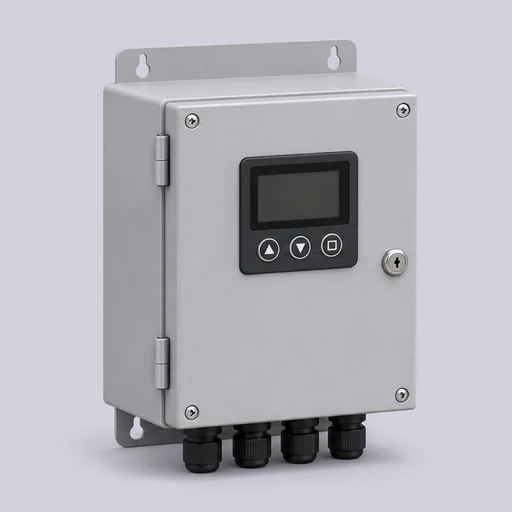
Temperature Controls
Heat trace controllers for pipe freeze protection and process temperature maintenance, selected by circuit load and sensing layout.
View product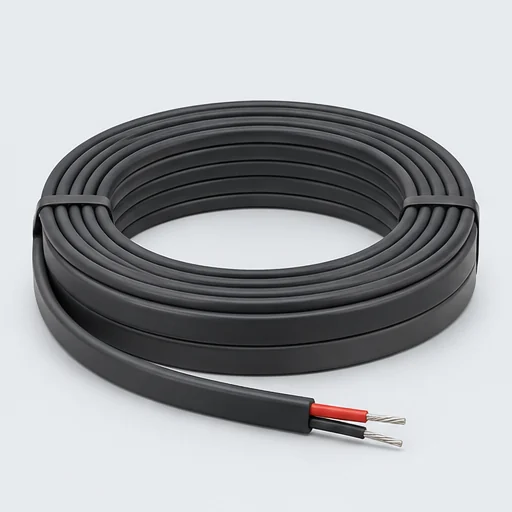
Specialty Heaters
Heating cable configurations for temperature maintenance and equipment protection.
View product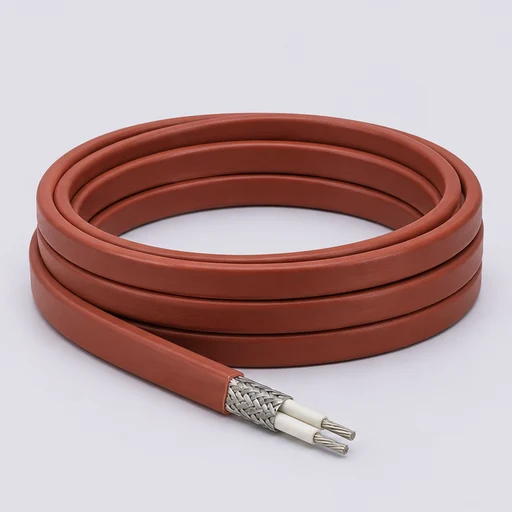
Specialty Heaters
Industrial heat trace circuits rated for a specified output per unit length at the design supply.
View product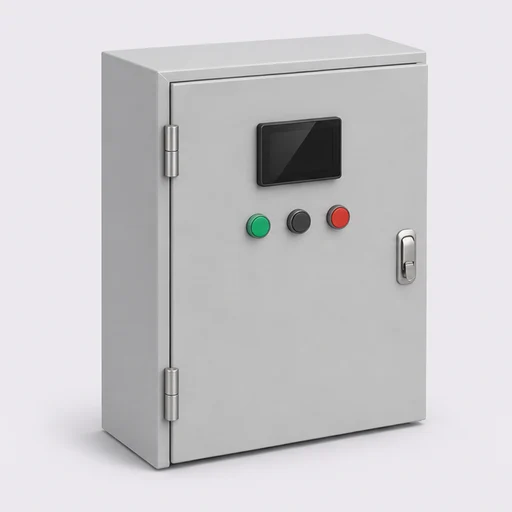
Temperature Controls
Complete heater control panel inquiries configured around the project circuit, heating zones and enclosure.
View product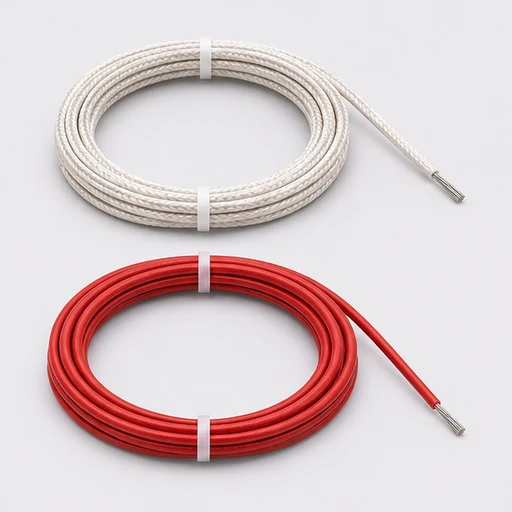
Specialty Heaters
Power lead wire for electric heaters, specified by conductor, insulation and end termination.
View productInclude your technical requirements, target quantity and any supporting drawings.