
Configuration Options
- Ribbon or round wire by approved jaw drawing
- End tabs and contact features by mounting hardware
- Resistance, active span and insulation configuration by equipment specification
Specialty Heaters
An impulse sealer heating element delivers a short heating pulse along the sealing jaw. Match the active length, cross-section, end connections and cold resistance to the equipment drawing. Include the insulating layers, cover and tension arrangement used by the jaw.
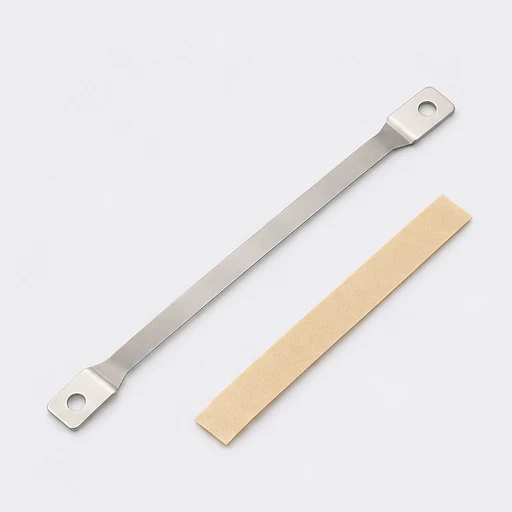
Configuration
The final construction depends on your drawing and operating conditions.
Send the jaw and original element drawing together. Include the position of the terminals, insulation and pressure surface.
| Fit check | What to provide |
|---|---|
| Ribbon or wire profile | Give the active length and cross-section. Show the profile against the required seal width and the selected jaw. |
| End connections | Give end hole or clamp details, contact spacing, support and allowance for expansion. |
| Resistance and pulse cycle | Provide the specified cold resistance and pulse conditions. Include the insulation, cover and required acceptance checks. |
Typical inquiries include OEM impulse packaging jaws and replacement seal-bar elements with a documented resistance and mounting profile.
Product catalog
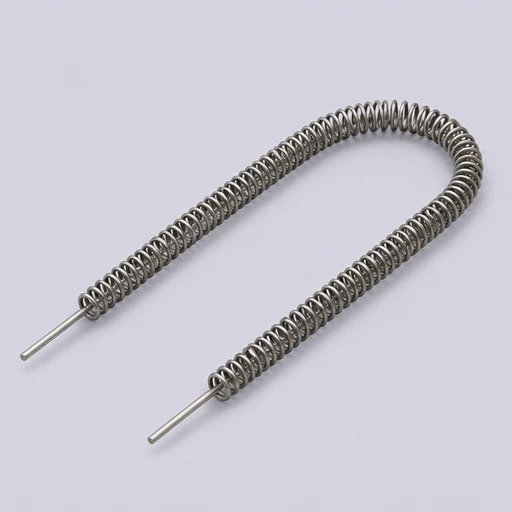
Specialty Heaters
Formed nickel–chromium resistance heating elements specified to equipment and electrical drawings.
View product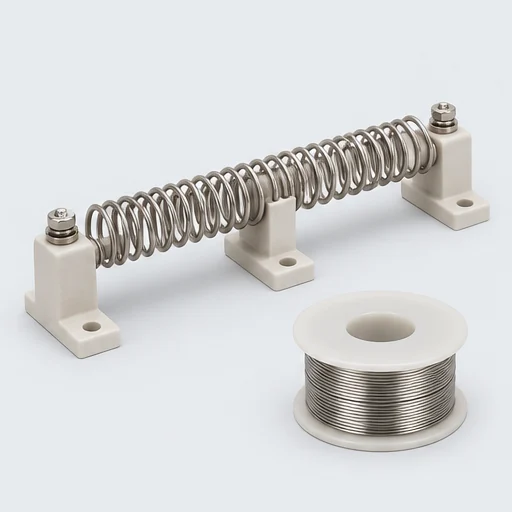
Specialty Heaters
Resistance wire and open-coil elements for designed heating assemblies.
View product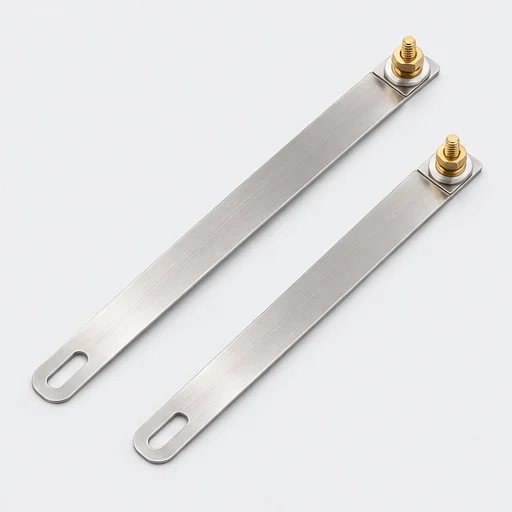
Specialty Heaters
Flat or finned heating strips for solid surfaces and air heating assemblies.
View product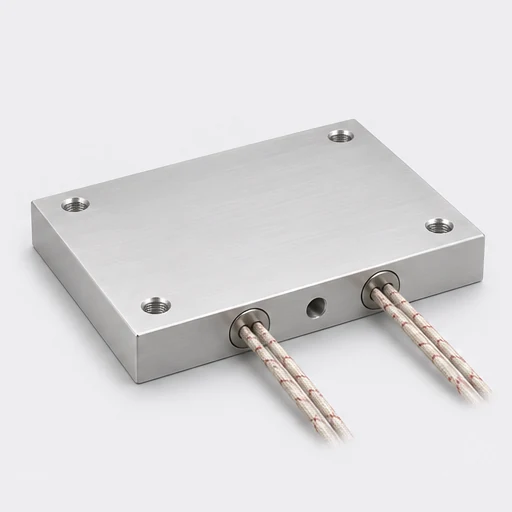
Specialty Heaters
Aluminum heating plates with a machined tooling face and defined zones and sensor positions.
View productInclude your technical requirements, target quantity and any supporting drawings.