
Configuration Options
- Sensing bulb and capillary dimensions by equipment layout
- Fixed or adjustable setpoint reviewed against the control requirement
- Switch action, contact rating and mounting by circuit and panel drawing
Temperature Controls
A bulb and capillary thermostat senses temperature at a remote bulb. A sealed capillary transmits a pressure change to a mechanical switch. For a custom configuration, provide the bulb mounting and insertion, capillary routing, switching temperature range and controlled load.
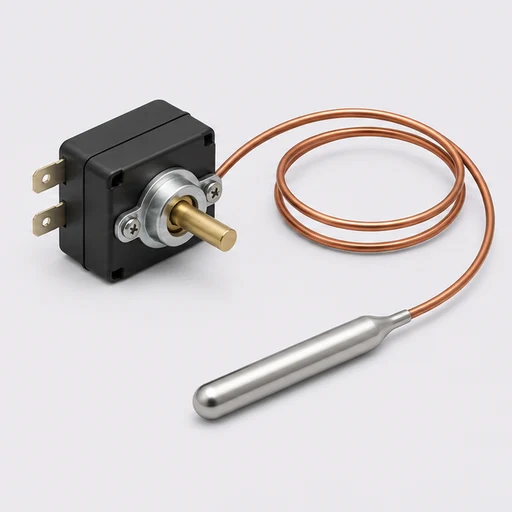
Configuration
The final construction depends on your drawing and operating conditions.
Show the bulb, capillary route and switch body on the same drawing. The bulb position sets the temperature measurement location, and the switch must fit its own installation and circuit.
| Selection detail | What to provide |
|---|---|
| Sensing bulb and mount | State the bulb size, pocket or mounting dimensions, insertion depth and condition at the sensing location. |
| Capillary routing | Give the required length, routing and clearances. Identify hot surfaces, tight bends, vibration and locations where it needs support. |
| Setpoint and switching differential | State where contacts should change state as temperature rises and when they should return as it falls. |
| Electrical circuit | Give the contact action, voltage, load type and current. For a heater assembly, include the vessel mount and heater rating. |
Typical inquiries include mechanical on-off temperature control for heating equipment, ovens and heated vessels where the sensor and switch are in different locations.
Product catalog
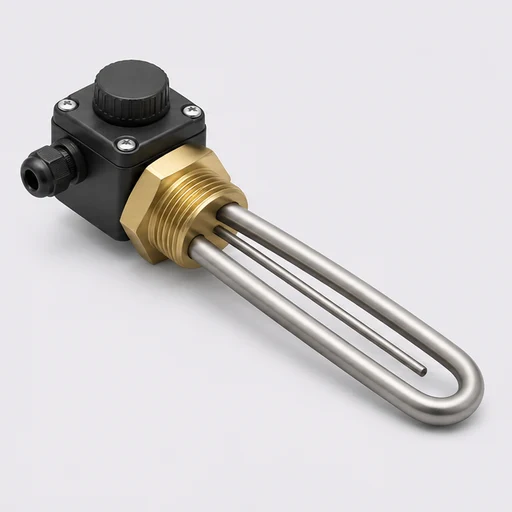
Tubular & Immersion
Tubular immersion heaters with a thermostat matched to the tank and temperature control circuit.
View product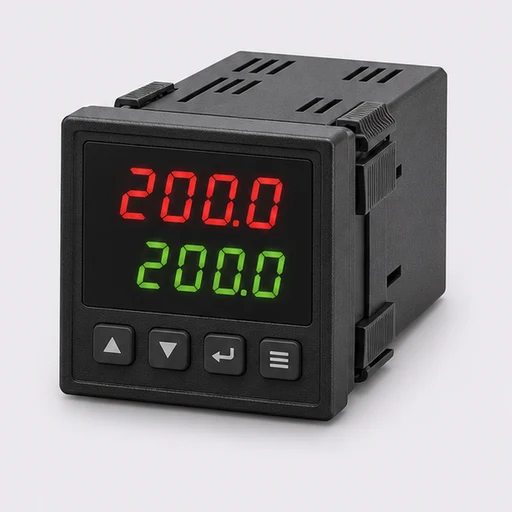
Temperature Controls
Digital PID temperature controls specified to the sensor, output interface and panel.
View product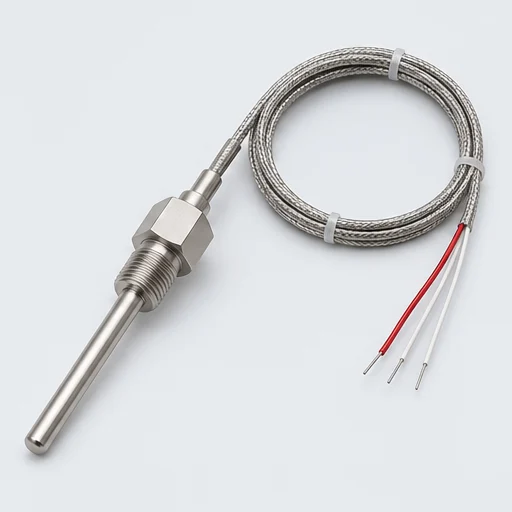
Temperature Sensors
Pt100 and Pt1000 sensor assemblies configured for your instrument and installation.
View productInclude your technical requirements, target quantity and any supporting drawings.