
Configuration Options
- Temperature range and response time reviewed against the target and inspection task
- Optics selected by target size and working distance
- Emissivity setting, display and measurement documentation requirements by application
Temperature Sensors
A handheld infrared pyrometer estimates surface temperature from the infrared radiation it detects. To select an instrument, specify the surface material and finish, the smallest area that must be measured and the distance from which it can be viewed.
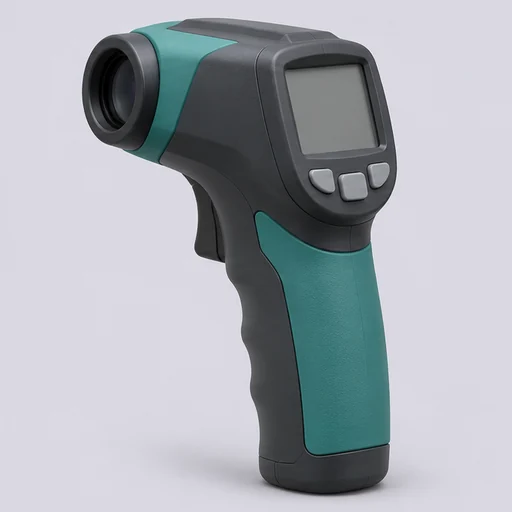
Configuration
The final construction depends on your drawing and operating conditions.
Describe the exact surface you need to inspect and the position from which an operator can see it.
| Selection detail | What to provide |
|---|---|
| Infrared spot size | Give the smallest target dimensions and actual working distance so its surface fills the measurement spot. |
| Emissivity and reflections | Give the material, coating and finish. Identify nearby radiant sources that could reflect into the pyrometer from polished or low-emissivity surfaces. |
| Line of sight | Identify windows, steam, dust or guards in the optical path and state the conditions at the instrument position. |
| Contact checks | Where a contact comparison is feasible, state the probe and readout used and the conditions at the reference measurement point. |
Typical inquiries include spot checks on equipment surfaces, heated workpieces and areas that operators must observe from a distance.
Product catalog
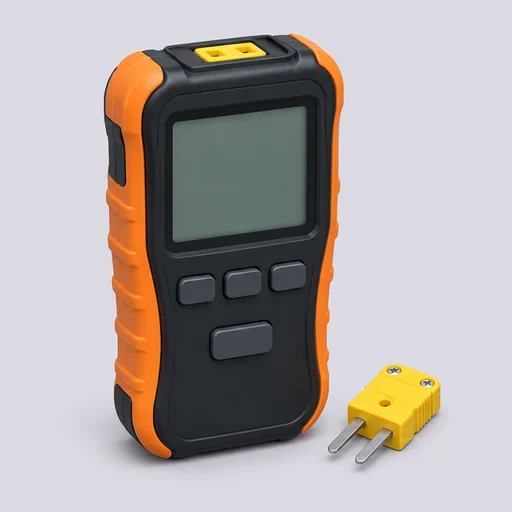
Temperature Controls
Portable readout instruments for spot measurements with compatible thermocouple probes.
View product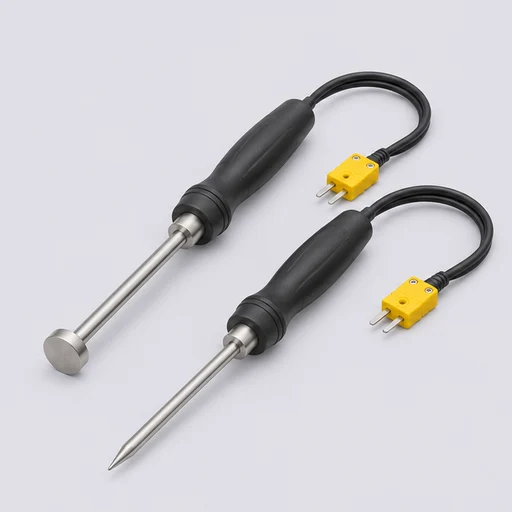
Temperature Sensors
Handled probes for temporary surface checks or insertion measurements with a compatible thermocouple instrument.
View product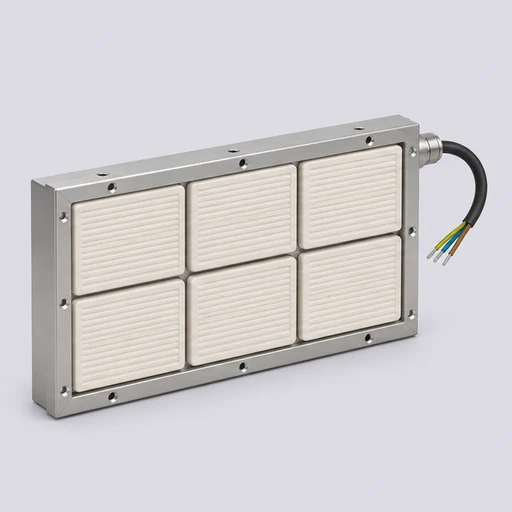
Specialty Heaters
Complete radiant panel assemblies for specified drying, curing and non-contact heating zones.
View product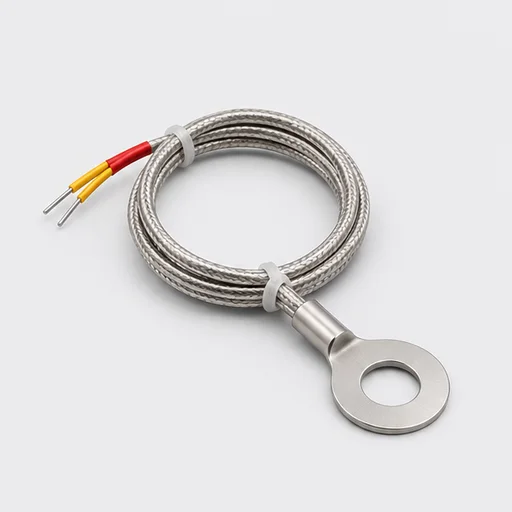
Temperature Sensors
Contact thermocouples for sensing the temperature of tooling, housings and equipment surfaces.
View productInclude your technical requirements, target quantity and any supporting drawings.