
Configuration Options
- Body diameter, insertion length and heated span by tool drawing
- Cold end and lead termination sized to the space outside the bore
- Voltage and wattage reviewed with the tool material and duty cycle
Specialty Heaters
A split-sheath cartridge heater has a longitudinal division in the metal sheath. The sheath can move outward as it heats, helping it make contact with the bore wall in a compatible tool. For a custom design, send the measured bore tolerance, usable depth, operating temperature and electrical rating.
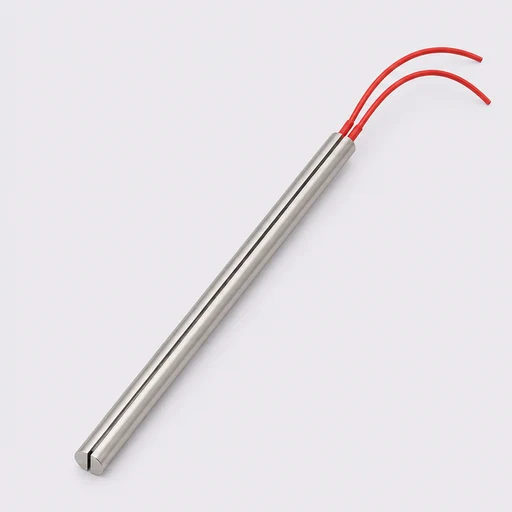
Configuration
The final construction depends on your drawing and operating conditions.
Use the finished bore dimensions and the intended temperature cycle to review cold insertion and hot contact. Show any shoulder or obstruction along the insertion path.
| Drawing or operating input | What to provide |
|---|---|
| Bore and fit | Give minimum and maximum finished diameters, usable depth, tool material and any surface condition that affects contact. |
| Heated span and power | Mark the active length and cold end on the installed drawing. State the electrical rating, tool temperature and heat-up target. |
| Lead exit and removal | Show clearance for lead routing and service access from the insertion side of the tool. |
Typical inquiries include heated molds, dies, sealing jaws and other tooling with an accessible heater bore.
Product catalog
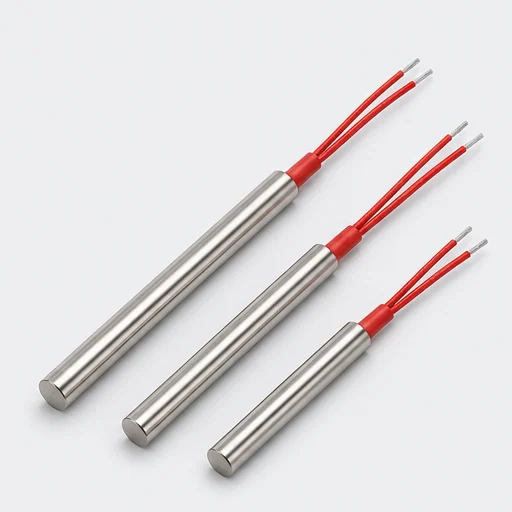
Specialty Heaters
Compact cylindrical heaters for dies, molds, sealing jaws and other heated tooling.
View product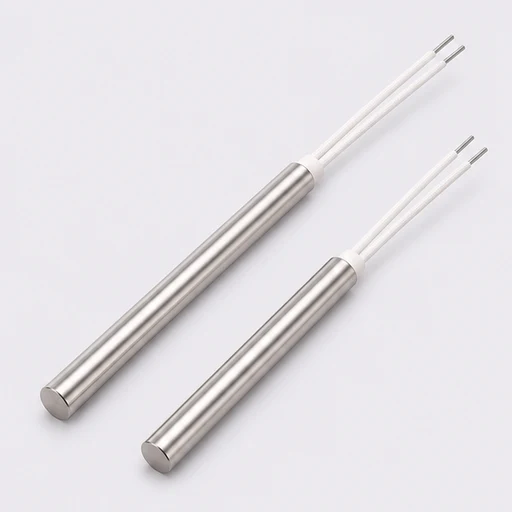
Specialty Heaters
High watt density cartridge heating for molds, dies and sealing jaws with limited bore space.
View product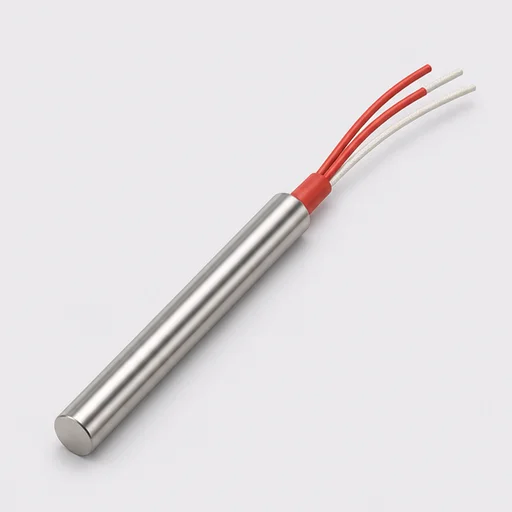
Specialty Heaters
Cylindrical heaters with a built-in thermocouple specified for local temperature measurement.
View productInclude your technical requirements, target quantity and any supporting drawings.