
Configuration Options
- Flat or curved heater modules reviewed against the chamber drawing
- Insulation thickness and element arrangement matched to the specified thermal duty
- Power by zone and lead exits or terminals located to suit the enclosure
Specialty Heaters
A ceramic fiber heater integrates a resistance element with a formed insulating body. It can serve as a heated section of a furnace chamber. Specify the hot-face geometry, temperature cycle, atmosphere, heater zone layout and the way the module is supported.
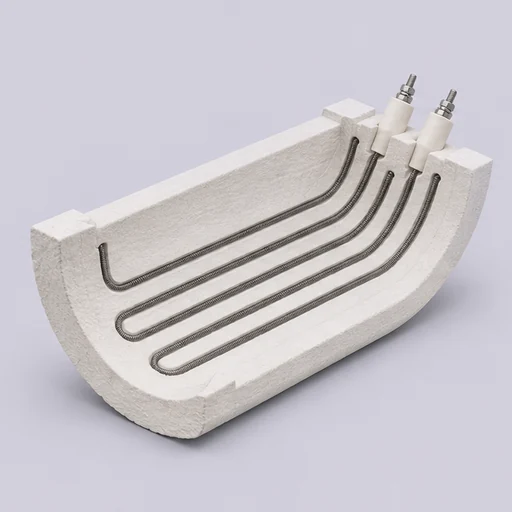
Configuration
The final construction depends on your drawing and operating conditions.
Provide a chamber section showing the work zone, insulation and supports. Mark each heated zone, edge clearance and lead exit.
| Selection detail | What to provide |
|---|---|
| Hot-face and module dimensions | Show the flat or curved profile, module thickness and location of any seams, fasteners or sensors. |
| Furnace atmosphere and cycle | State the atmosphere, vapors or deposits, operating temperature range, dwell and frequency of heating and cooling cycles. |
| Circuit load and temperature sensing | Provide the supply, required load per zone and sensor positions. Include space for terminals and service access. |
| Insulation and supports | Identify the adjacent lining, installed supports, insulation requirements and how the module will be removed for service. |
Typical inquiries include thermal processing chambers and OEM furnace equipment that require the heat source and insulation in one module.
Product catalog
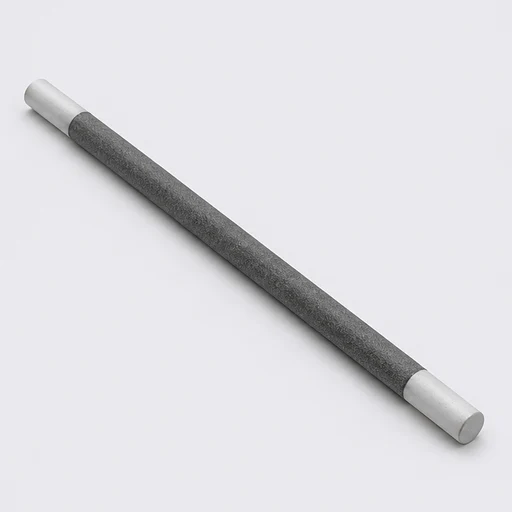
Specialty Heaters
Silicon carbide resistance rods configured to an industrial furnace drawing and electrical specification.
View product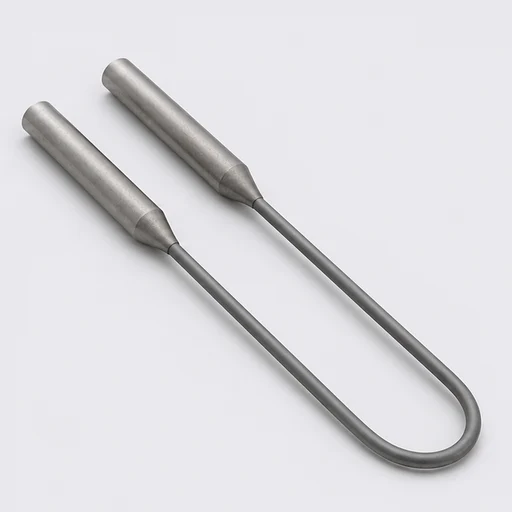
Specialty Heaters
Molybdenum disilicide furnace elements configured to the furnace envelope and terminal layout.
View product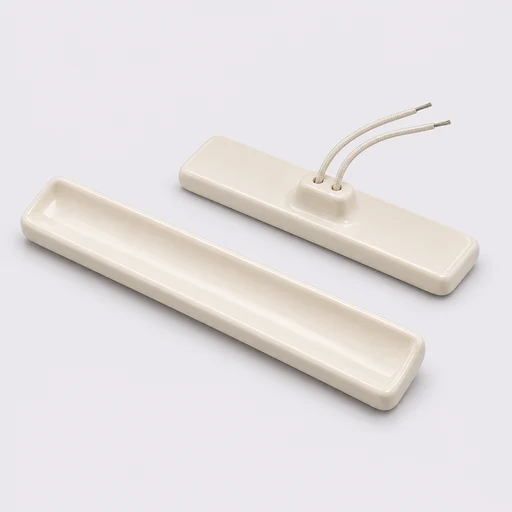
Specialty Heaters
Flat and trough ceramic radiant emitters configured to the heating zone, mounting and electrical layout.
View product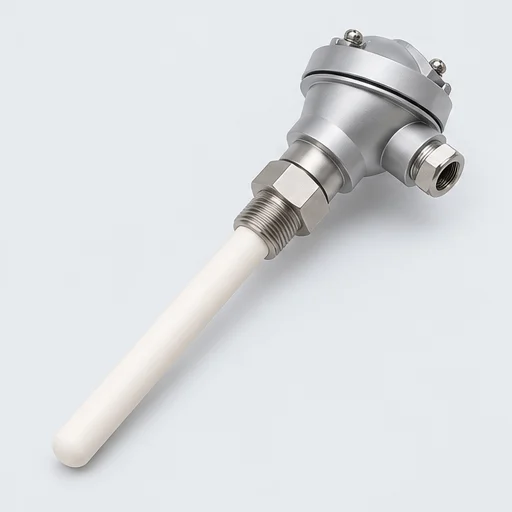
Temperature Sensors
Furnace and kiln probes, including platinum–rhodium Types S, R and B.
View product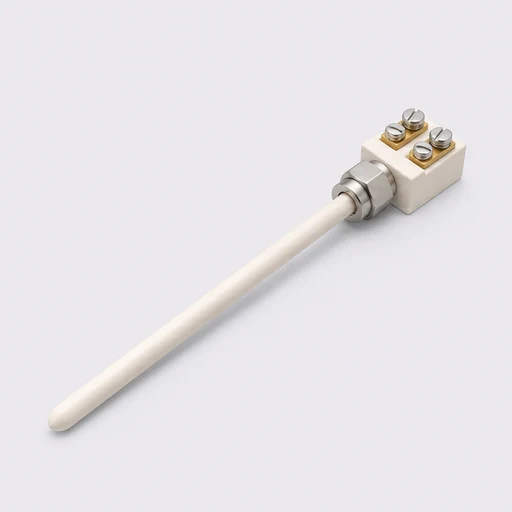
Temperature Sensors
Custom protected temperature probes for ceramic and industrial kilns, sized to the kiln wall and controller input.
View productInclude your technical requirements, target quantity and any supporting drawings.