
Configuration Options
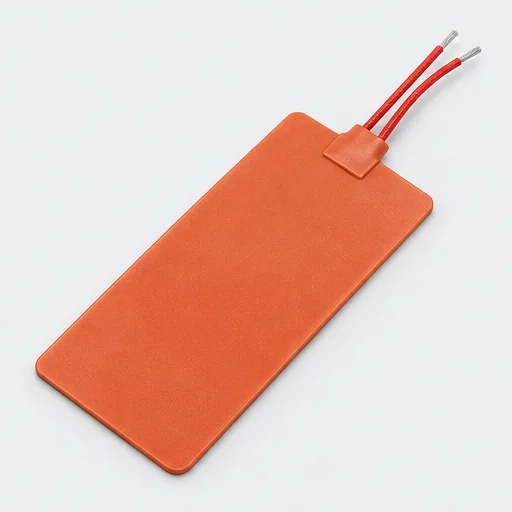
- Silicone rubber pads
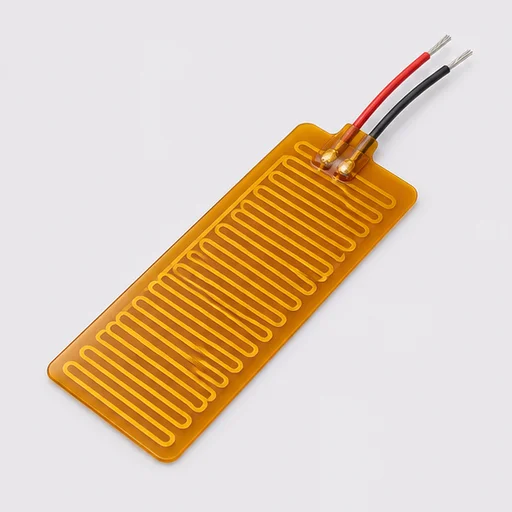
- Polyimide and etched-foil configurations
- Custom outlines and cutouts
Specialty Heaters
Start with the available contact surface, power and operating temperature. The substrate, pattern and attachment method depend on the assembly.
Configuration
The final construction depends on your drawing and operating conditions.
Mark the areas that can receive heat, the openings to leave clear and the positions of leads and sensors. Share the surface material and the method used to retain the heater against it.
| Design detail | What to include |
|---|---|
| Silicone rubber heater pads | Specify the mating surface, any curvature, the required attachment and exposure to moisture or cleaning. |
| Polyimide film heaters | Give the available thickness, the active pattern, the position of cutouts and the envelope for the reinforced lead tab. |
| Outline and heated area | Dimension the outer shape, holes, cutouts and any separate heating zones. Identify sections that need to stay unheated. |
| Attachment | Describe the mating surface and any adhesive, clamp pressure or removable mounting requirement. State whether the heater flexes while installed. |
| Leads and sensing point | Mark lead exit direction, bend clearance, supply requirements and the preferred temperature measurement location. |
Consider flexible heaters for equipment surfaces, enclosures and compact assemblies with limited installation depth.
Product catalog
Specialty Heaters
Low-profile polyimide film heaters patterned for confined spaces and defined heating zones.
View product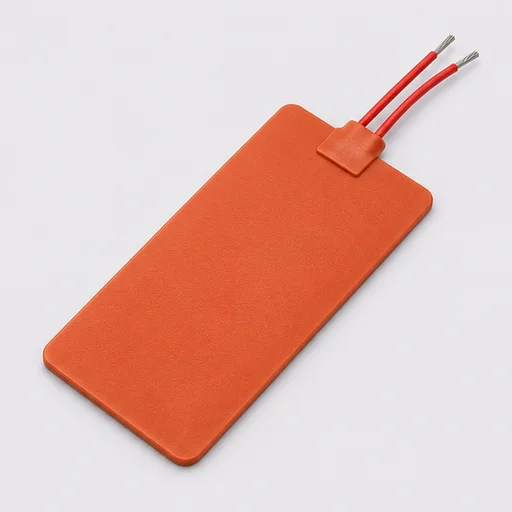
Specialty Heaters
Silicone rubber heater pads configured for contact heating on flat and contoured surfaces.
View product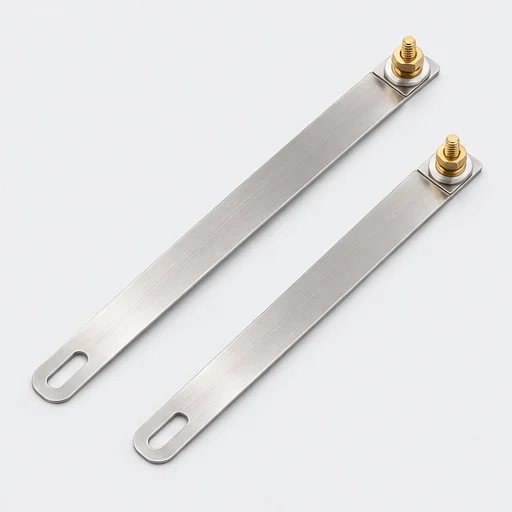
Specialty Heaters
Flat or finned heating strips for solid surfaces and air heating assemblies.
View product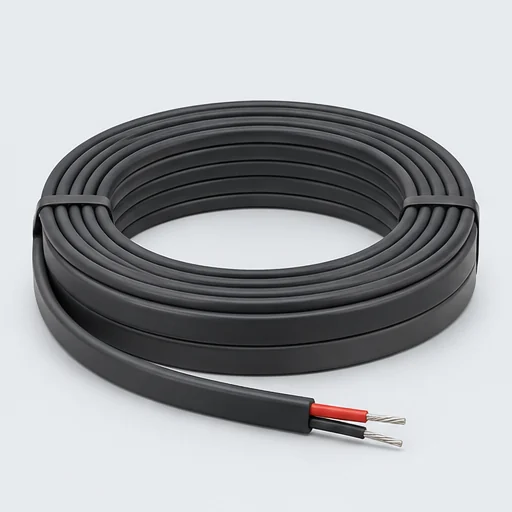
Specialty Heaters
Heating cable configurations for temperature maintenance and equipment protection.
View product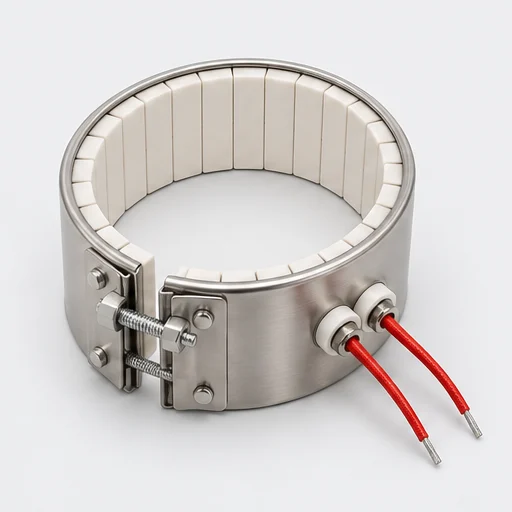
Specialty Heaters
Mica and ceramic band heaters for barrels, nozzles and cylindrical assemblies.
View productInclude your technical requirements, target quantity and any supporting drawings.