
Configuration Options
- Flat or contoured mounting surface review
- Pad outline, cutouts and heated zones by drawing
- Attachment, lead exit and temperature-sensing requirements by assembly
Specialty Heaters
A silicone rubber heater pad transfers heat into the equipment surface it contacts. Specify the panel, tool or enclosure shape, the active heating area, and how the pad will stay in contact during operation. Include the working temperatures and what the pad and leads will be exposed to.

Configuration
The final construction depends on your drawing and operating conditions.
Show the surface, pad outline and attachment points on the same drawing. Identify the areas where the pad contacts the equipment throughout the operating cycle.
| Installation detail | What to specify |
|---|---|
| Contact surface | Give sizes for a flat face or the radius and wrap length for a contoured installation. Include surface finish and any protrusions or seams. |
| Heat layout | Mark holes and clearances, areas that must stay cool, and the power or temperature target for each heated zone. |
| Attachment and exposure | Describe the bonding or mechanical retention arrangement, removal requirements and exposure to moisture, cleaning agents or repeated thermal cycles. |
| Drum bands and blankets | Give the actual drum diameter, circumference and heated height, and show the seams, ribs and closure clearance. |
| Lead exit and sensing | Show the lead exit direction and available bend space. Mark the temperature-sensing position and any specified control or limit device. |
Applications include platen surfaces, machine housings, enclosures and custom fixtures that transfer heat through contact.
Product catalog

Specialty Heaters
Silicone drum heater belts and insulated blankets for 55 gallon drums and other container sizes.
View product
Specialty Heaters
Low-profile heating pads shaped to fit equipment surfaces and enclosures.
View product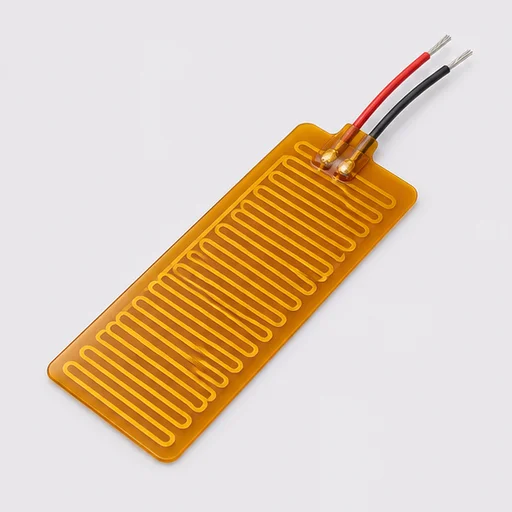
Specialty Heaters
Low-profile polyimide film heaters patterned for confined spaces and defined heating zones.
View product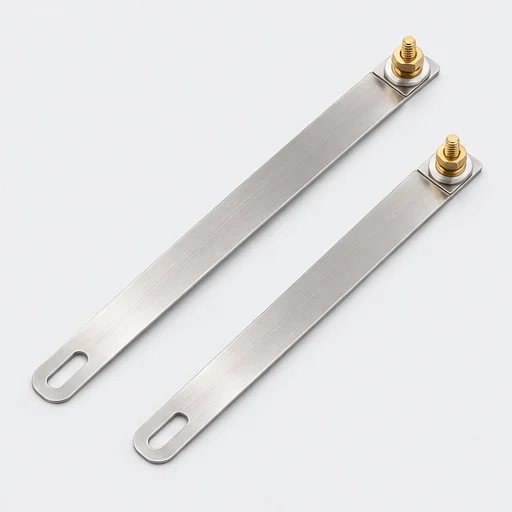
Specialty Heaters
Flat or finned heating strips for solid surfaces and air heating assemblies.
View productInclude your technical requirements, target quantity and any supporting drawings.