
Configuration Options
- Quartz, ceramic and halogen formats
- Specified lead and mounting configuration
- Single element or assembly inquiries
Specialty Heaters
Radiant heating inquiries depend on the target surface, distance and required exposure pattern. Provide machine layout and cycle time where available.
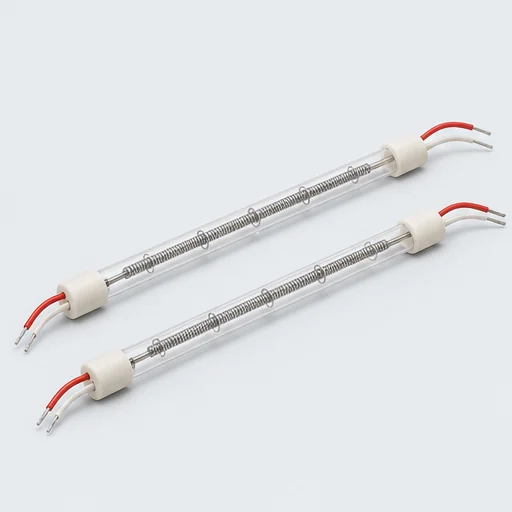
Configuration
The final construction depends on your drawing and operating conditions.
Start with the surface being heated and its path through the machine. Compare quartz and ceramic infrared elements against the target, working distance and heating cycle.
| Selection input | What to specify |
|---|---|
| Target and exposure | Material, surface finish, heated area, starting and target temperatures, and line speed or dwell time. |
| Quartz infrared heating elements | For a quartz tube, give the active and overall lengths, support spacing, reflector shape and lead or terminal clearances. |
| Ceramic infrared heating elements | For a ceramic emitter, give the face profile, mounting details, element spacing and distance to the target. |
| Emitter and reflector layout | Available distance to the target, element spacing, reflector outline and any nearby surfaces the radiant field should avoid. |
| Mounting and environment | Element orientation, support spacing, terminal clearance, and dust, moisture or ventilation around the assembly. |
| Power and timing | Supply voltage, available power and heating zone layout. State the required warm-up time and on-off or modulated control cycle. |
Potential applications include drying, curing and non-contact heating.
Product catalog
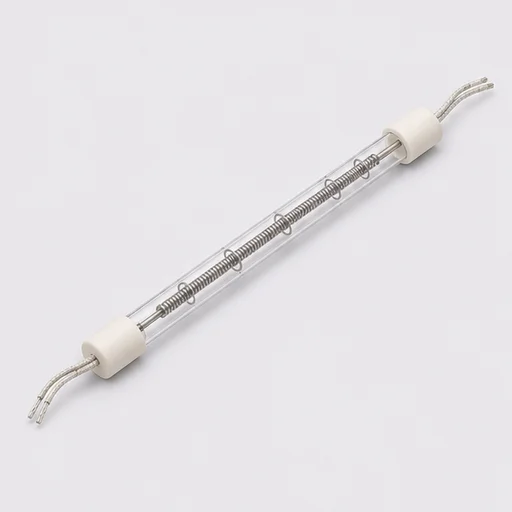
Specialty Heaters
Quartz tube emitters matched to radiant drying, curing and equipment layouts.
View product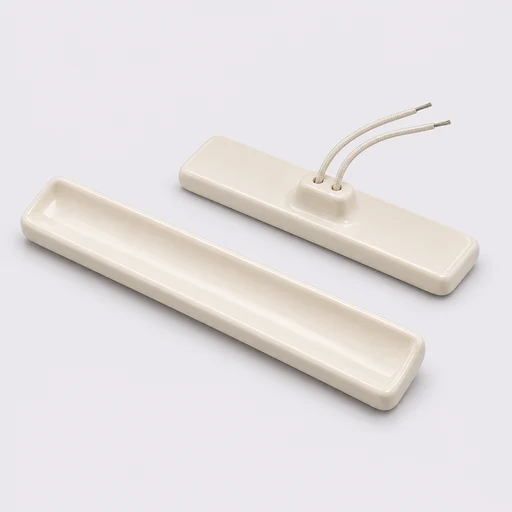
Specialty Heaters
Flat and trough ceramic radiant emitters configured to the heating zone, mounting and electrical layout.
View product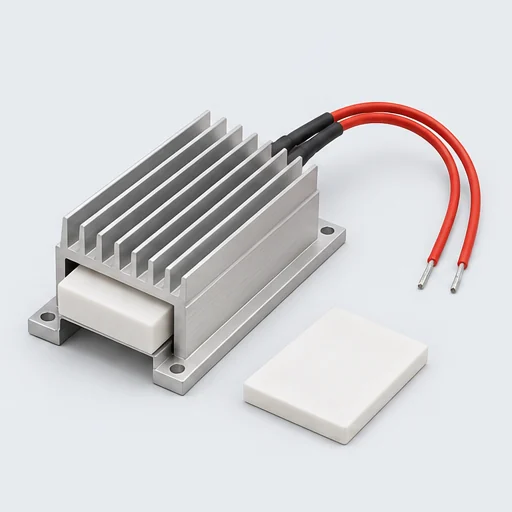
Specialty Heaters
Ceramic heating configurations sized to your electrical and thermal requirements.
View product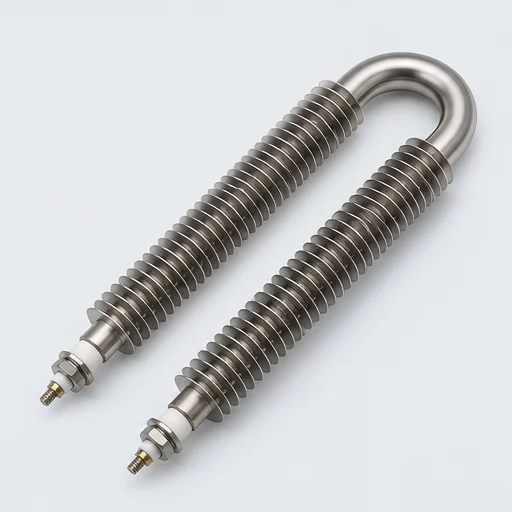
Tubular & Immersion
Finned tubular elements for forced-air heating, duct assemblies and industrial ovens.
View product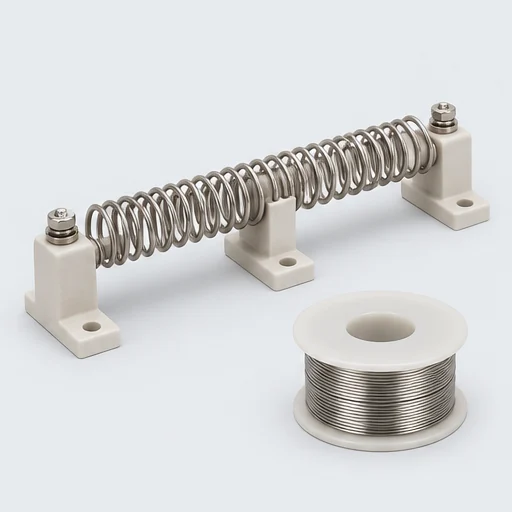
Specialty Heaters
Resistance wire and open-coil elements for designed heating assemblies.
View productInclude your technical requirements, target quantity and any supporting drawings.