
Configuration Options
- PTC and resistive ceramic formats
- Contact and air-heating assemblies
- Mechanical interface by drawing
Specialty Heaters
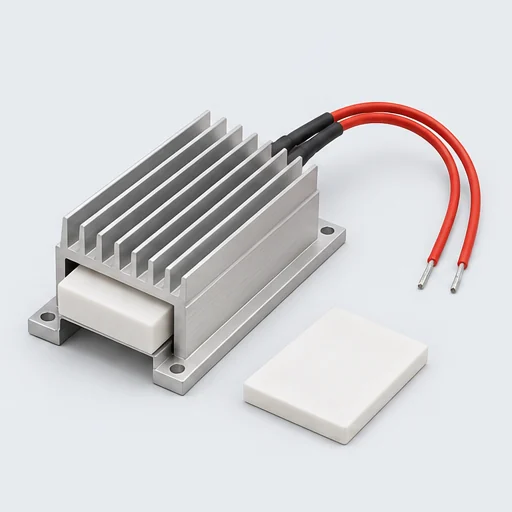
For a ceramic or PTC element, describe supply voltage, target temperature and how the heater transfers heat in your equipment.
Configuration
The final construction depends on your drawing and operating conditions.
A PTC heater increases its resistance as it warms through its designed operating region. A conventional resistive ceramic heater can use ceramic for support or electrical insulation around a heating circuit. Specify the electrical behavior and heat transfer conditions for the assembly.
| Selection input | What to verify |
|---|---|
| PTC operating conditions | Give supply voltage, the lowest starting temperature, cold-start current limit and target temperature under load. |
| Resistive ceramic operating conditions | Give voltage, target wattage, duty cycle and how the equipment limits temperature during operation. |
| Contact or air heating | For contact give the mating surface, clamping and available contact area. For air give the opening, minimum airflow and temperature rise. |
| Radiant heating with a ceramic emitter | For a radiant process, give the target surface, distance to the emitting face and exposure time. |
| Mount and controls | Provide the outline, terminal clearance, sensor or thermostat location and required electrical protection. |
Common inquiry types include equipment warm-up, compact air heating and anti-condensation designs.
Product catalog
Specialty Heaters
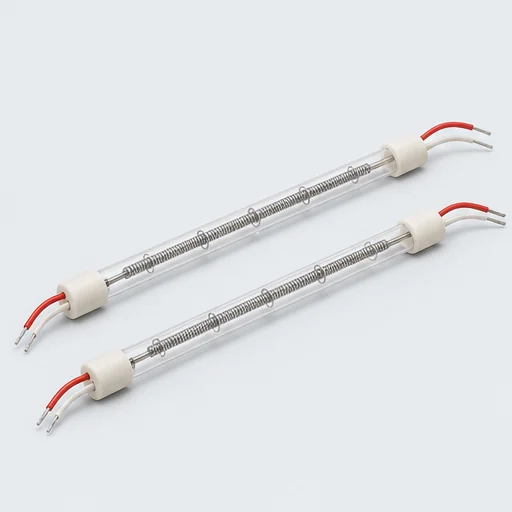
Quartz and ceramic radiant elements for process equipment and drying systems.
View product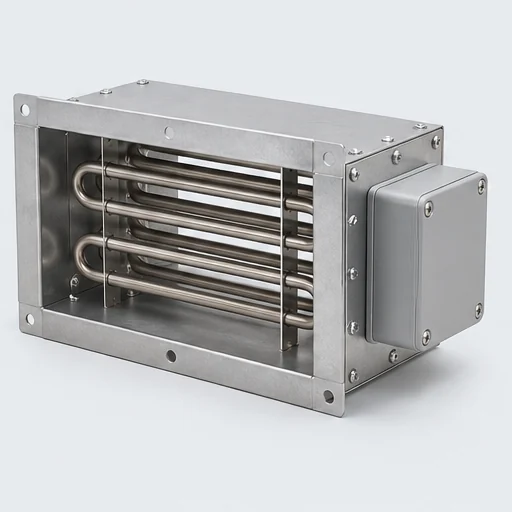
Tubular & Immersion
Element assemblies specified for duct geometry, airflow and process temperature.
View product
Specialty Heaters
Low-profile heating pads shaped to fit equipment surfaces and enclosures.
View productInclude your technical requirements, target quantity and any supporting drawings.