
Configuration Options
- Foil laminate size and cutouts by equipment drawing
- Heated pattern, unheated borders and lead exit by layout
- Adhesive or mechanical retention reviewed for the surface and duty
Specialty Heaters
An aluminum foil heater uses an insulated resistance element with a foil facing that helps spread heat into an equipment surface. Send the surface material, outline and required heated area. Include voltage, power and any condensation or cleaning exposure.
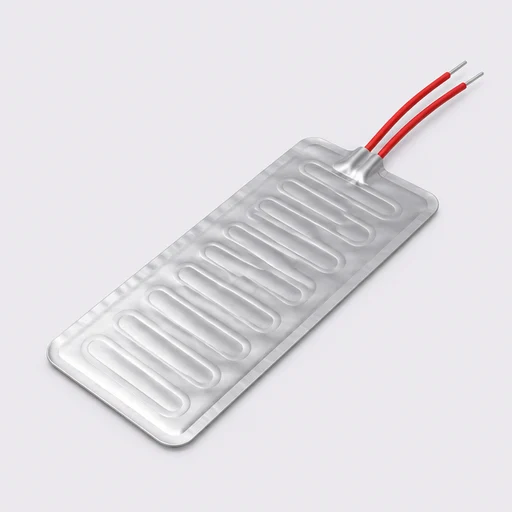
Configuration
The final construction depends on your drawing and operating conditions.
Mark where the heater contacts the equipment, where the load needs heat and where mounting hardware, sensors or wires need clearance.
| Selection detail | What to provide |
|---|---|
| Outline and pattern | Give the pad dimensions and available thickness. Mark the active area, cutouts and areas to leave unheated. |
| Attachment | State the mating material, finish and curvature. Indicate the adhesive or mechanical retention method and the service temperatures at the joint. |
| Condensation and exposure | Describe moisture, recurring condensation, cleaning and temperature cycling. Give the temperatures and expected exposure at the lead transition and edges. |
| Power and control | Give the voltage, watts per pad or zone, duty cycle and intended sensor position. Specify the heated footprint for the area-based loading review. |
Typical applications include equipment panel warming, condensation control and defrost systems that need a broad, low-profile heater bonded or secured to a surface.
Product catalog
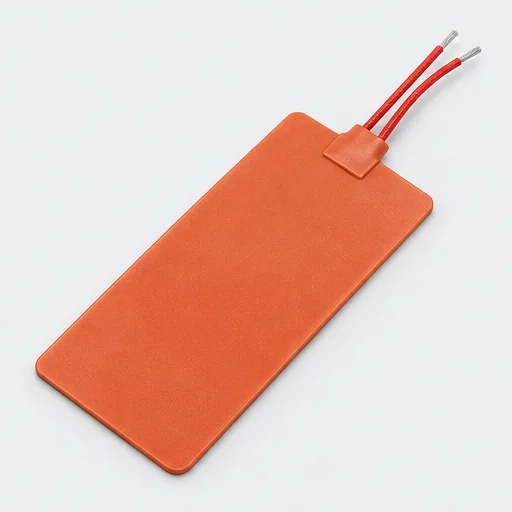
Specialty Heaters
Low-profile heating pads shaped to fit equipment surfaces and enclosures.
View product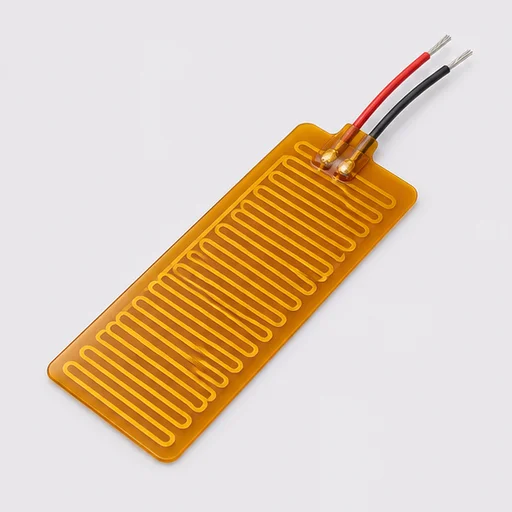
Specialty Heaters
Low-profile polyimide film heaters patterned for confined spaces and defined heating zones.
View product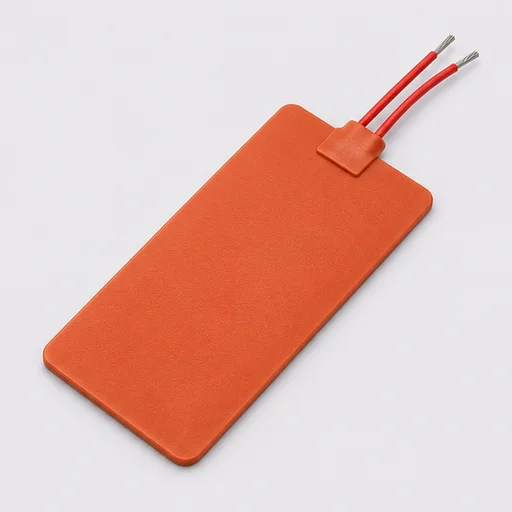
Specialty Heaters
Silicone rubber heater pads configured for contact heating on flat and contoured surfaces.
View product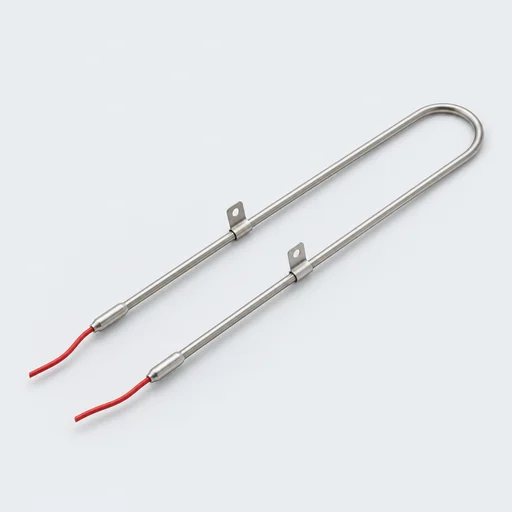
Tubular & Immersion
Shaped defrost elements for equipment with established mounting and terminal geometry.
View productInclude your technical requirements, target quantity and any supporting drawings.