
Configuration Options
- Nominal resistance, curve and tolerance by measurement requirement
- Ceramic body and lead dimensions by assembly drawing
- Sheath envelope and mounting conditions reviewed for operating duty
Temperature Sensors
A wire-wound RTD element measures temperature through the resistance of a fine platinum winding supported in an insulating structure. Match the nominal resistance and curve to the instrument and check the mechanical support in the assembled probe.
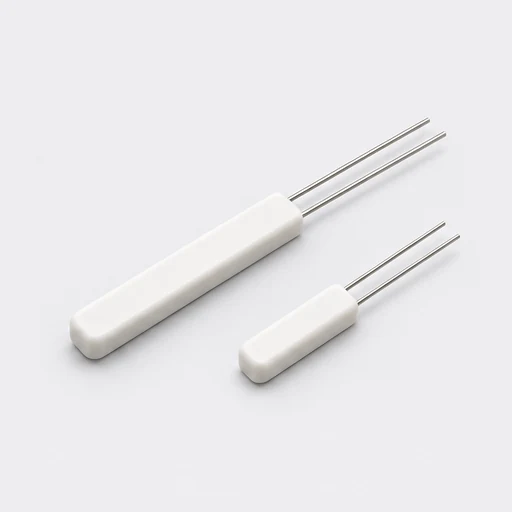
Configuration
The final construction depends on your drawing and operating conditions.
Identify whether the drawing specifies the sensing element or the complete probe. Include the instrument and element support.
| Selection detail | What to provide |
|---|---|
| Curve and tolerance | Give nominal resistance at 0 °C, required curve, tolerance and instrument measuring current. |
| Element construction | Compare body size, temperature interval, stability and vibration requirements for the wire-wound and thin-film options. |
| Lead connection and mounting | Specify lead dimensions, joint method, support, sheath bore and wire count in the finished probe. |
Typical inquiries include replacement sensing elements and OEM RTD probe assemblies with defined fit and stability requirements.
Product catalog
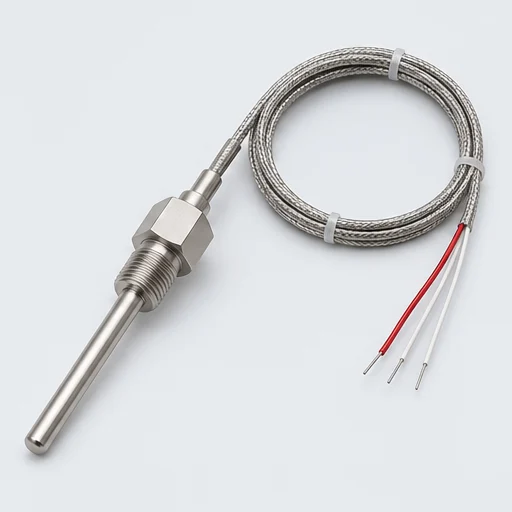
Temperature Sensors
Pt100 and Pt1000 sensor assemblies configured for your instrument and installation.
View product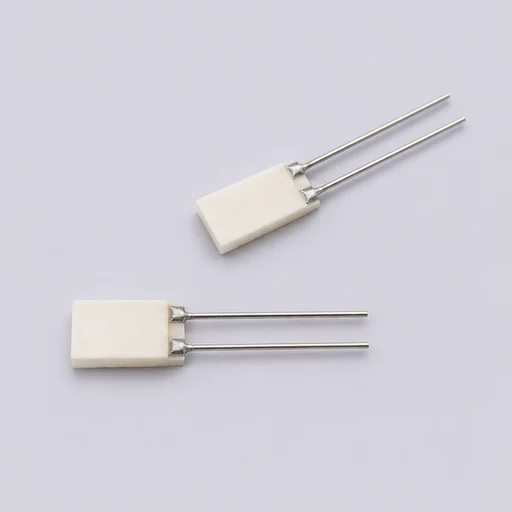
Temperature Sensors
Thin-film platinum sensing elements specified to OEM temperature probe drawings.
View product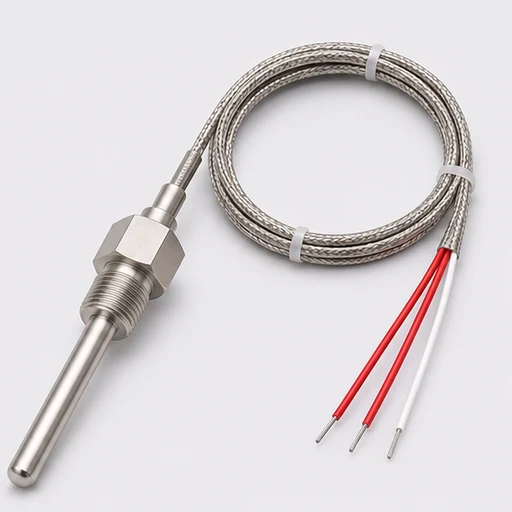
Temperature Sensors
Pt1000 platinum RTD probes configured to the process, instrument and wiring.
View product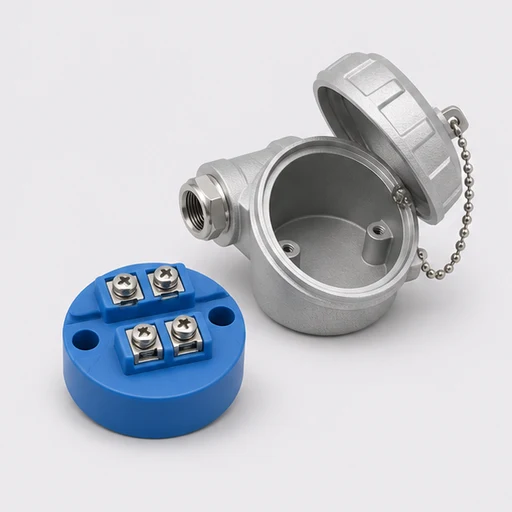
Temperature Controls
Pt100 and Pt1000 temperature transmitters specified to the 4–20 mA loop and sensor assembly.
View productInclude your technical requirements, target quantity and any supporting drawings.