
Configuration Options
- Sheathed insertion and surface-contact probes
- Fixed or adjustable mounting by application
- Lead and connector configurations for Type T inputs
Temperature Sensors
A Type T thermocouple pairs a copper positive leg with a copper–nickel (constantan) negative leg. For a custom cold-process probe, specify the temperatures at both the sensing tip and lead exit, plus any condensation, washdown or freeze–thaw cycling.
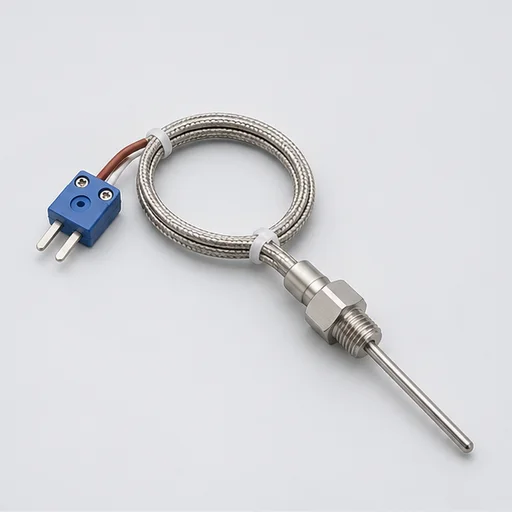
Configuration
The final construction depends on your drawing and operating conditions.
Identify the exact point to measure and route the lead on the equipment drawing. The probe, lead and connector can experience different temperatures and moisture exposure.
| Installation detail | What to specify |
|---|---|
| Cold-process environment | Include the coldest temperature during operation, the warmest temperature during cleaning and any repeated freeze–thaw cycles. |
| Probe placement | For surface sensing, show the contact area and fastening method. For insertion, give the medium and installed distance from the seating face to the tip. |
| Lead and seal requirements | Locate condensation, hose spray and moving cable sections so the lead jacket and sealing arrangement can be reviewed. |
| Type T wiring | Give the input model, required connector, polarity convention and any existing Type T extension wiring. |
Type T probes are considered for refrigerated equipment, cooling loops, environmental chambers and lower-temperature process measurements.
Product catalog
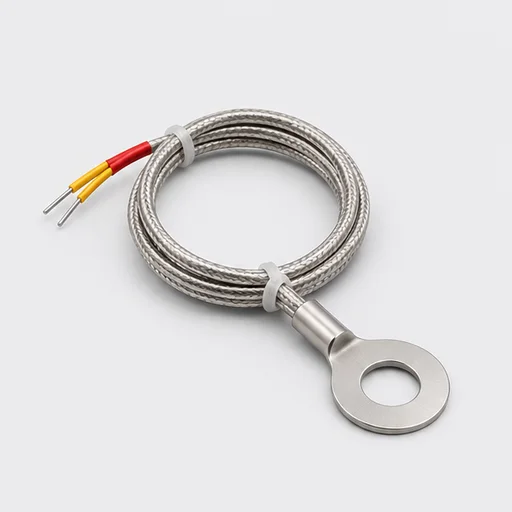
Temperature Sensors
Contact thermocouples for sensing the temperature of tooling, housings and equipment surfaces.
View product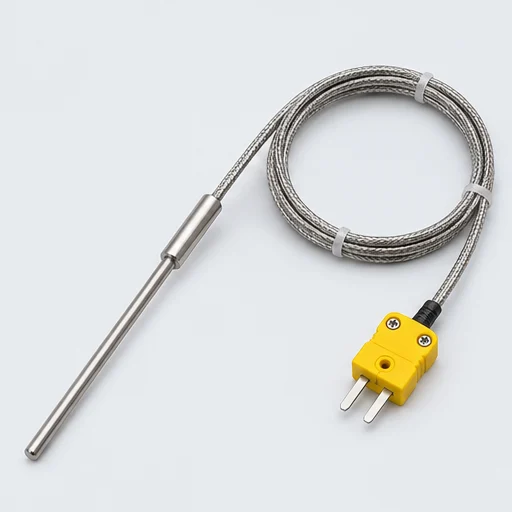
Temperature Sensors
Metal-sheathed MI probes specified for insertion, routing and process conditions.
View product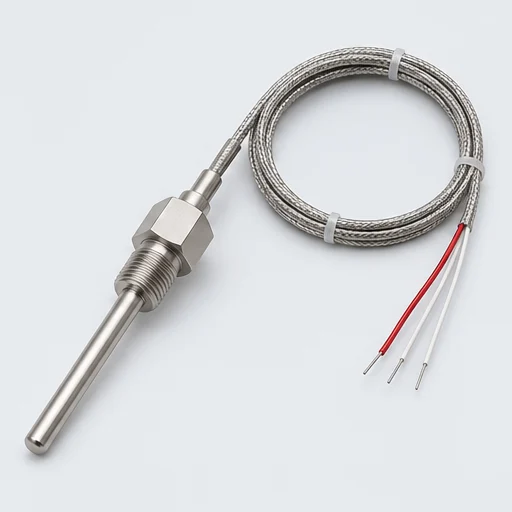
Temperature Sensors
Pt100 and Pt1000 sensor assemblies configured for your instrument and installation.
View product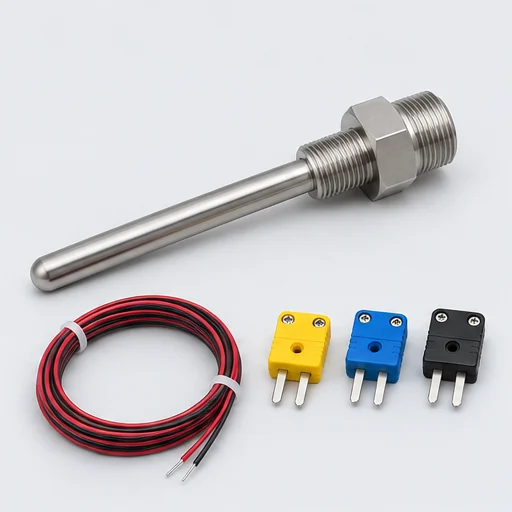
Temperature Sensors
Protect and connect sensor assemblies with specified thermowells, wires and connectors.
View productInclude your technical requirements, target quantity and any supporting drawings.