
Configuration Options
- Metal-sheathed or mineral-insulated configurations reviewed by application
- Junction and mounting selected for the sensing location
- Type N leads, connector or terminal-head termination
Temperature Sensors
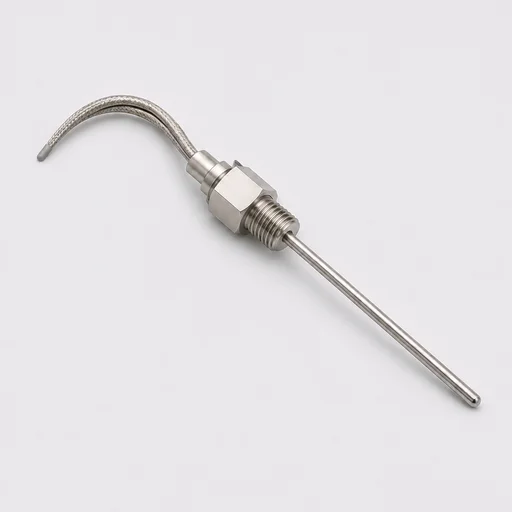
A Type N thermocouple uses a nickel–chromium–silicon positive leg and a nickel–silicon negative leg. Consider Type N for elevated-temperature processes where stability is important. For a custom probe, describe the atmosphere, exposure duration, sheath and instrument input alongside the drawing.
Configuration
The final construction depends on your drawing and operating conditions.
Show the installed sensing point, mounting reference and lead exit. Document the temperatures at each location so the sheath, transition and wiring can be reviewed together.
| Selection detail | What to send |
|---|---|
| Temperature and exposure | Normal and peak temperatures, time at peak, heating and cooling cycles, and any gases, deposits or vibration at the sensing point. |
| Sheath and installation | Sheath material, outside diameter, bend or support location, and insertion measured from the installed reference face. |
| Sensing junction | Required junction construction, response or electrical isolation, and where the measurement is needed. |
| Type N cable and instrument | Instrument or transmitter model, specified cable designation and color standard, connector format and expected temperature at the transition. |
Typical inquiries include furnaces, heat-treatment equipment and other elevated-temperature applications using Type N instrumentation.
Product catalog
Temperature Sensors
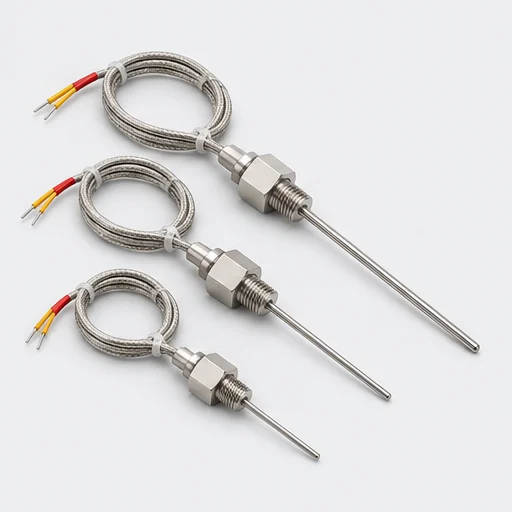
Type K probes and assemblies with application-specific connections and mounting.
View product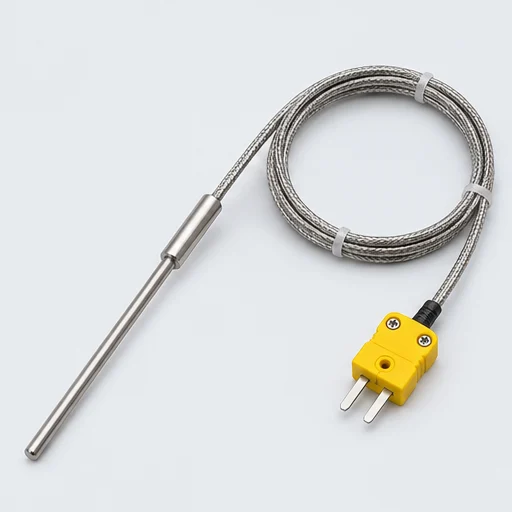
Temperature Sensors
Metal-sheathed MI probes specified for insertion, routing and process conditions.
View productTemperature Sensors
Thread-mounted thermocouple probes configured to fit equipment ports and sensing positions.
View product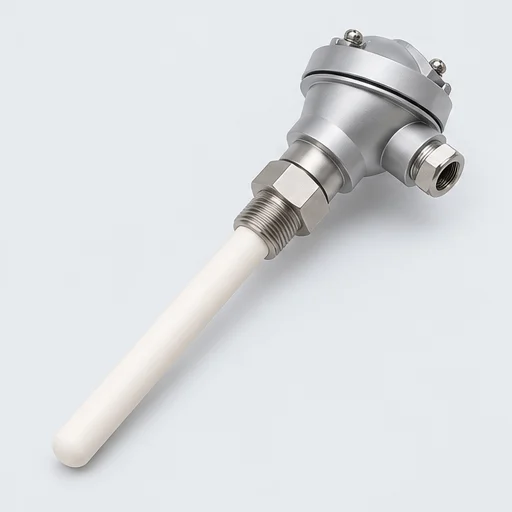
Temperature Sensors
Furnace and kiln probes, including platinum–rhodium Types S, R and B.
View productInclude your technical requirements, target quantity and any supporting drawings.