
Configuration Options
- Sheath and junction reviewed for the liquid and working temperature
- Cable transition and jacket specified by wet exposure and route
- Thermocouple type, lead termination and mount by equipment drawing
Temperature Sensors
A waterproof thermocouple probe uses a sealed sheath and cable transition suited to the specified wet environment. Define whether the installation involves splash, washdown or immersion. Identify which parts of the probe assembly will be exposed, then provide dimensions, the thermocouple type and the allowable cable route.
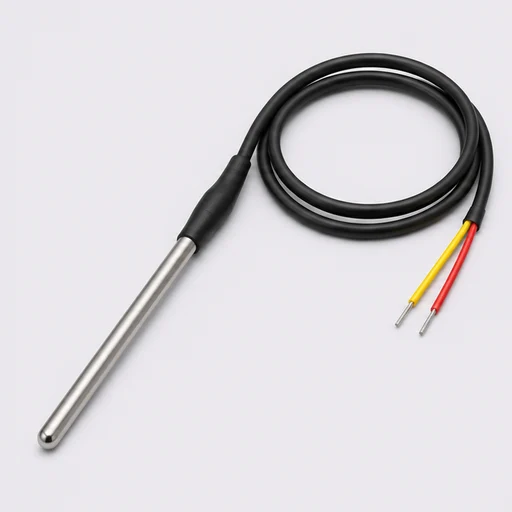
Configuration
The final construction depends on your drawing and operating conditions.
Show the sensing tip, cable transition and termination on the installed drawing. Specify the exposure at each location so the complete assembly can be evaluated.
| Assembly section | What to provide |
|---|---|
| Probe sheath and sensing point | Give the material requirement, fluid, temperature, insertion depth and mounting. Include the expected pressure for a closed system. |
| Cable transition | Mark its position relative to the liquid level and exposure to jets or condensation. Include movement, routing and any cleaning cycle. |
| Termination and instrument | Give the thermocouple type and polarity, connector position and the expected exposure at the termination. |
| Immersion or washdown requirement | State the depth, duration, temperature and any specified ingress protection or test conditions for the assembly. |
Typical inquiries include custom temperature probes for wet equipment, washdown areas and compatible liquid tanks.
Product catalog
Temperature Sensors
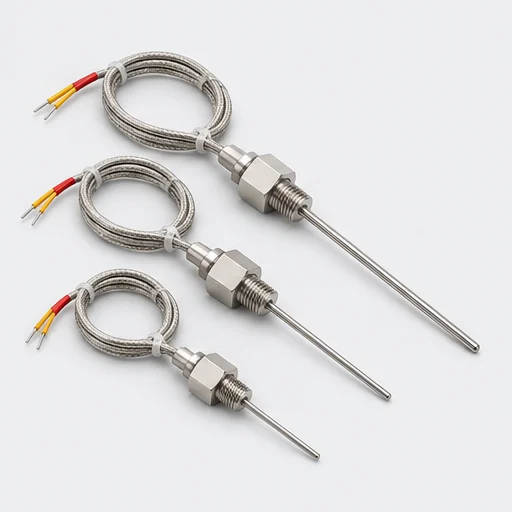
Type K probes and assemblies with application-specific connections and mounting.
View productTemperature Sensors
Thread-mounted thermocouple probes configured to fit equipment ports and sensing positions.
View product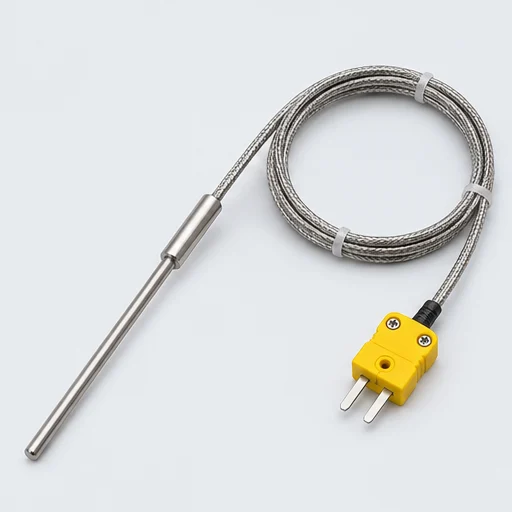
Temperature Sensors
Metal-sheathed MI probes specified for insertion, routing and process conditions.
View product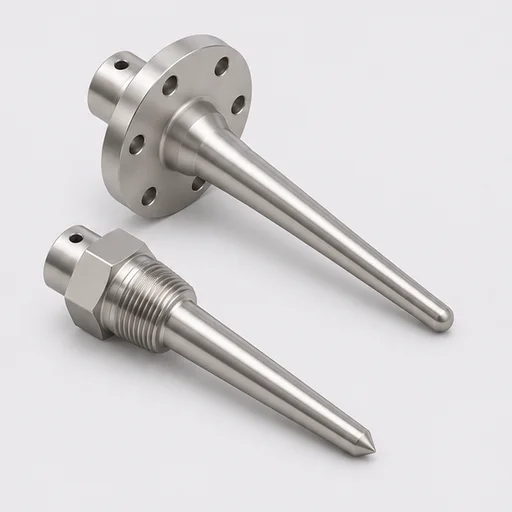
Temperature Sensors
Threaded and flanged thermowells sized for the process connection and the temperature probe.
View product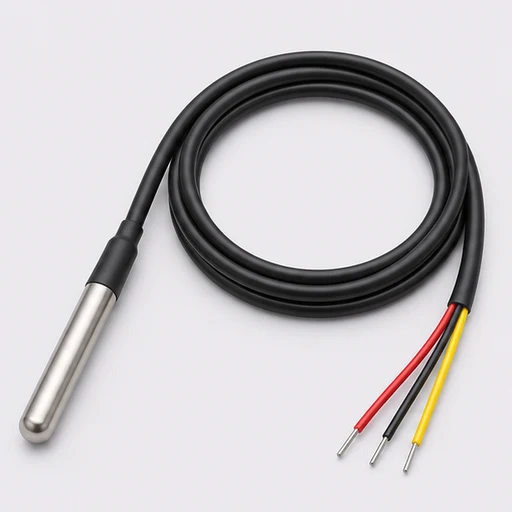
Temperature Sensors
Sealed DS18B20 digital temperature probes configured to the host interface and wet installation.
View productInclude your technical requirements, target quantity and any supporting drawings.